Dining Out Costs Have Jumped Across the U.S., and Customers Say “Even Fast Food Doesn’t Feel Cheap Anymore”
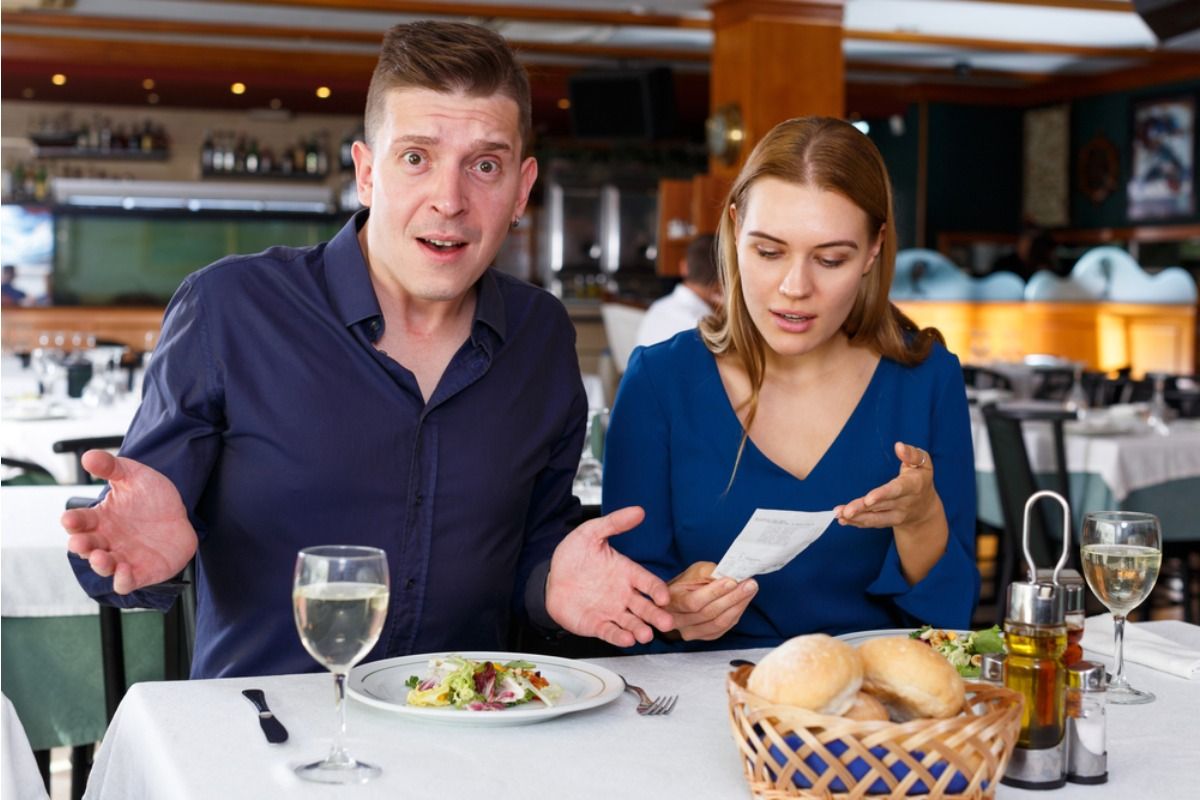
Dining out across the U.S. has become noticeably more expensive, and many customers say even traditionally low-cost options like fast food no longer feel affordable. What used to be a casual, budget-friendly habit is now becoming a more planned expense.
Menu Prices Have Risen Across All Categories
Restaurants have increased prices to cover higher costs for ingredients, labor, and transportation. This has affected everything from sit-down dining to quick-service meals. Even simple items now cost more than they did a few years ago. The change is gradual but widely felt. Customers notice it most when ordering familiar meals.
Fast Food Is No Longer “Low Cost” for Many
Chains once known for affordability have raised prices significantly. Combo meals and basic items now add up quickly. For many people, a single fast food visit can feel like a full restaurant bill. This shift changes how often people choose to eat out. The price gap between fast food and casual dining is narrowing.
Labor and Ingredient Costs Are Driving Changes
Restaurants are dealing with higher wages, supply chain costs, and fluctuating food prices. These expenses are passed on to customers. Ingredients like meat, dairy, and cooking oil have seen notable price increases. At the same time, staffing shortages in some areas add pressure. All of these factors contribute to higher menu prices.
Portion Perception Is Also Changing
Some customers feel that portions have not increased in line with prices. This creates a sense of reduced value. Even when food quality remains similar, cost expectations have shifted. People compare current prices to past experiences. This makes increases feel more noticeable.
Dining Out Is Becoming Less Frequent
As costs rise, many households are cutting back on eating out. Meals that were once routine are now occasional. More people are choosing home-cooked alternatives. This shift affects both fast food chains and restaurants. Dining out is becoming more of a planned activity than a casual habit.
Delivery Costs Add Even More Pressure
Food delivery apps often include service fees, delivery charges, and tips. These extra costs make meals significantly more expensive. In many cases, a simple order can nearly double in price. This discourages frequent ordering. Convenience now comes at a higher premium.
Budget Planning Around Food Is Changing
Households are adjusting how they allocate food spending. Grocery shopping is being prioritized over dining out. People are comparing value more carefully before ordering. Food decisions are becoming more cost-sensitive. Small increases accumulate over time.
Restaurants Face Their Own Challenges
While customers feel the impact, restaurants are also under pressure to stay profitable. Balancing rising costs with customer expectations is difficult. Some businesses adjust menus or portion sizes to manage expenses. Others focus on promotions to attract diners. The industry is adapting in different ways.
Perception of Value Is Shifting
What people consider “affordable” food has changed. Price points that once felt normal now feel high. This shift in perception influences behavior as much as actual costs. Value is being judged more strictly. Customers are more aware of spending choices.
Eating Habits Are Being Redefined
Overall, dining habits are evolving as prices rise. Quick meals, takeout, and dining out are being reconsidered more carefully. People are becoming more selective about when and where they eat out. Food spending is now a more conscious decision. The change is gradual but widespread.
Dining out is no longer the low-cost convenience it once was for many Americans. As prices continue to rise across all segments, even fast food is being re-evaluated as a regular option in everyday spending.