
Daily Commuting Costs Are Climbing in Many Cities, and Workers Say “Getting to Work Is Getting Expensive”
Daily commuting costs are climbing in many cities, and workers are increasingly feeling that simply getting to work is becoming a significant expense rather than a routine part of the day.
Transportation Costs Are Adding Up
Fuel, public transport fares, tolls, and parking fees are all increasing in many areas. What used to be a manageable daily cost is now a noticeable part of monthly spending. Even small increases per trip build up over time. The cumulative effect is substantial. Commuting is no longer cheap.
Public Transport Isn’t Always a Low-Cost Option
While buses, trains, and metros are often seen as affordable alternatives, fare increases are making them less predictable. Monthly passes and daily tickets are becoming more expensive. For some workers, the savings compared to driving are shrinking. The gap is narrowing. Choices feel limited.
Fuel Prices Continue to Influence Costs
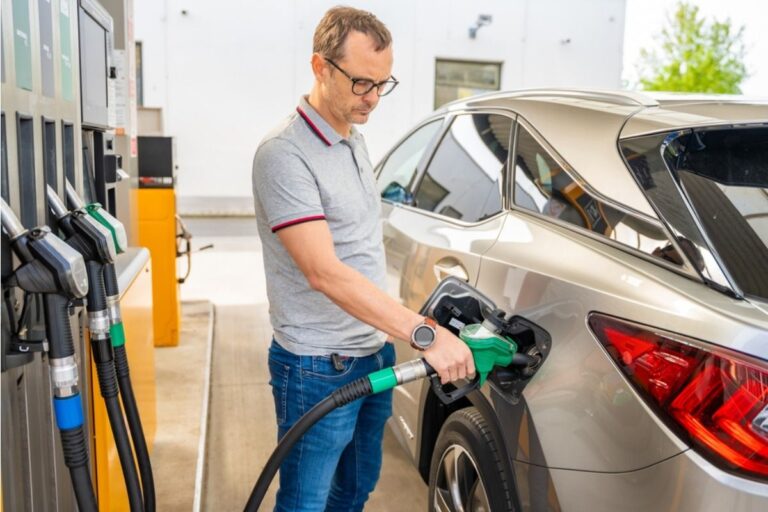
For those who drive, fuel remains one of the biggest expenses. Price fluctuations directly impact daily commuting budgets. Even short commutes can become costly over time. Workers feel the impact immediately. Fuel volatility adds uncertainty.
Parking and Tolls Add Extra Pressure
In many urban areas, parking fees and road tolls significantly increase commuting costs. These are often unavoidable for drivers. Combined with fuel, they raise the total expense of each trip. Convenience comes at a price. Hidden costs become more visible.
Longer Commutes Mean Higher Expenses
As housing costs push people farther from city centers, commute distances increase. Longer travel means more spending on fuel or fares. Time and cost both rise together. The trade-off becomes more difficult. Distance adds financial strain.
Remote Work Is Changing the Equation
Some workers are reducing commuting costs by working remotely part-time or full-time. However, not all jobs allow this flexibility. Those who must commute daily feel the impact more strongly. The gap between different work setups is growing. Flexibility affects expenses.
Budgeting for Work Is Becoming Harder
With rising and sometimes unpredictable commuting costs, workers find it harder to estimate monthly spending. Fluctuations in fuel or fares add uncertainty. Planning becomes more complex. Commuting becomes a variable expense. Stability decreases.
Workers Are Adjusting Habits
Some people are carpooling, using bicycles, or switching routes to reduce costs. Others are combining trips or limiting unnecessary travel. Small adjustments help manage expenses. Efficiency becomes a priority. Behavior is adapting to cost pressure.
Employers Are Part of the Conversation
In some cases, employees are looking to employers for support, such as travel allowances or flexible schedules. Commuting costs are becoming part of broader workplace discussions. The issue goes beyond individual responsibility. It affects work-life balance.
A Growing Impact on Everyday Life
Commuting is essential for many workers, so rising costs have a direct effect on daily life. It’s not just about convenience, it’s about affordability. As costs increase, the burden becomes more noticeable. Workers are paying more just to maintain routine.
As commuting expenses continue to rise, many workers are rethinking how they travel to work, or whether they can reduce travel at all. For a growing number of people, the cost of getting to work is becoming just as important as the job itself.