
A Woman Paused All Non-Essential Spending for 45 Days and Says “I Started Questioning Every Habit”
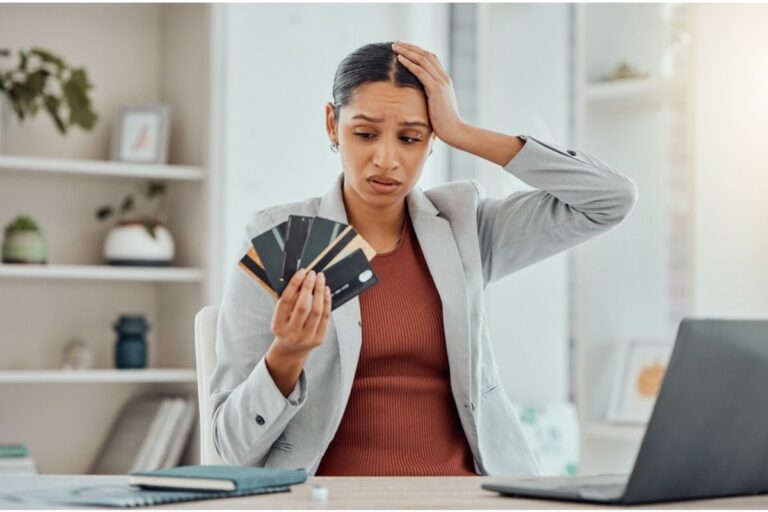
A woman decided to pause all non-essential spending for 45 days, and what began as a simple financial reset quickly turned into a deeper reflection on her daily habits and choices.
The Decision Came From Feeling Out of Control
She hadn’t made any large purchases, but money seemed to disappear faster than expected. There was no single cause, just a constant flow of small expenses. That feeling pushed her to try a full pause on anything non-essential. It meant no shopping, no takeout, and no impulse buys. Only basic needs were allowed. The goal was clarity.
The First Few Days Felt Restrictive
At the start, the change was noticeable. She realized how often she reached for her wallet out of habit. Even small routines like buying coffee or browsing online felt different. Saying “no” to these habits required effort. It wasn’t about cost, it was about breaking patterns. And that felt harder than expected.
Habits Became More Visible Than Ever
Without spending, her daily routines stood out more clearly. She noticed when and why she felt the urge to buy something. Boredom, stress, and convenience all played a role. These patterns had been hidden before. Now they were obvious. And impossible to ignore.
She Started Finding Alternatives
Instead of spending, she looked for other ways to fill time and meet needs. Cooking replaced takeout. Walks replaced casual shopping trips. She reused items instead of buying new ones. These changes didn’t feel perfect at first. But they became easier over time.
The Urge to Spend Didn’t Disappear
Even after the first week, the desire to buy things didn’t fully go away. Certain moments still triggered it. Especially during busy or emotional days. But instead of acting on it, she paused. That pause became a new habit. And it made a difference.
Money Became More Intentional
Without constant small purchases, her spending felt more deliberate. Every decision had purpose. She wasn’t reacting to impulses anymore. This created a sense of control. And made her more aware of what actually mattered.
Time Felt Different Without Shopping
She noticed she had more free time than before. Without browsing stores or apps, her schedule felt less fragmented. She spent more time on activities that didn’t involve spending. That shift wasn’t planned. But it changed her daily rhythm.
Emotional Spending Became Clear
One of the biggest realizations was how often spending was tied to emotion. Stress, reward, and even boredom led to purchases. Removing spending exposed those triggers. It made her question why she bought things in the first place. And that awareness stayed with her.
The End of 45 Days Felt Different
When the period ended, she didn’t rush back to old habits. Instead, she approached spending more carefully. Non-essential purchases didn’t feel automatic anymore. She thought before buying. And often chose not to.
Some Habits Didn’t Return at All
Certain routines disappeared completely. Daily small purchases, impulse buying, and unnecessary subscriptions no longer felt important. The break had reset her expectations. And changed what felt normal.
A Reset That Went Beyond Money
In the end, the challenge wasn’t just about saving money. It was about understanding behavior. Pausing spending revealed patterns that had gone unnoticed for years. And once seen, they were hard to ignore moving forward.