Food, Fuel, and Shipping Costs Are Rising Again as Oil Surges and Supply Chains Start Feeling the Pressure
Rising oil prices are once again pushing up the cost of everyday essentials, with ripple effects spreading through food, fuel, and global shipping. As energy becomes more expensive, supply chains begin to feel the strain, and those pressures quickly reach consumers.
Oil Prices Are Driving the Initial Surge
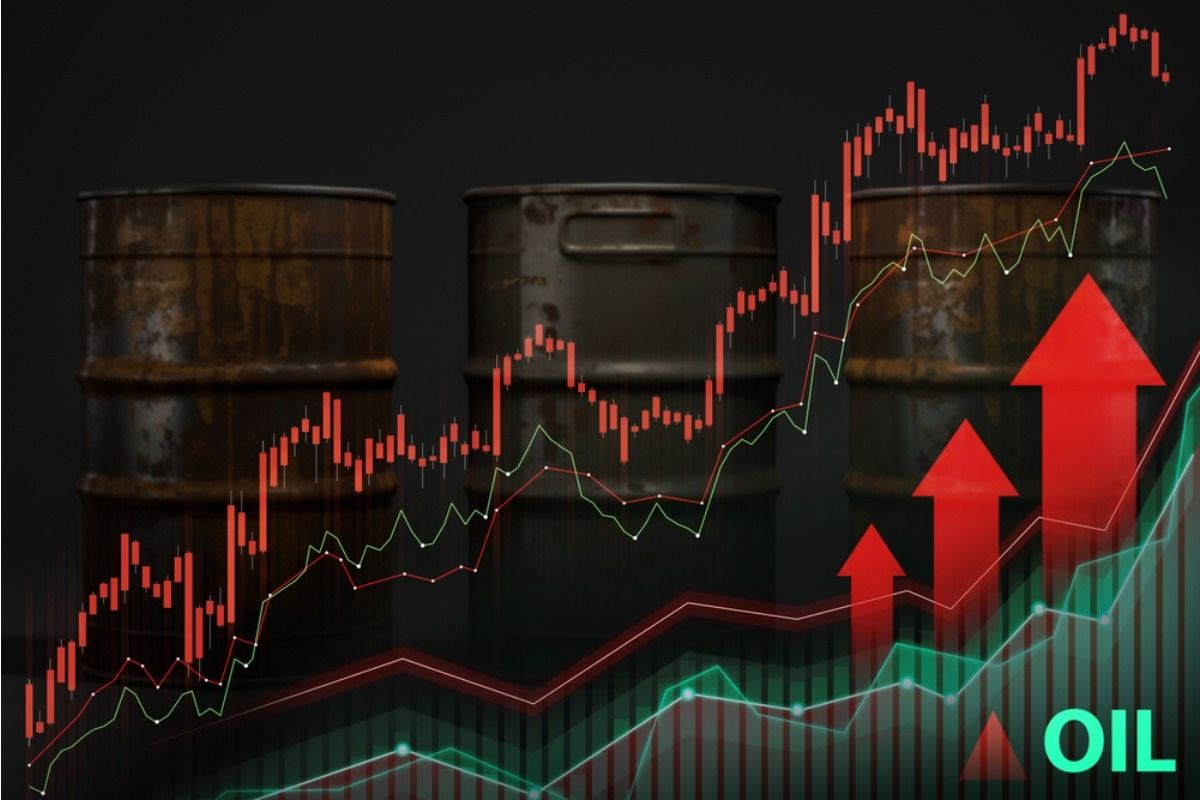
Crude oil acts as a baseline cost for many industries, especially transportation and manufacturing. When prices rise, fuel costs increase almost immediately, affecting everything from trucking to air freight. Markets react quickly to supply risks, so even potential disruptions can push prices higher. This creates a chain reaction across multiple sectors. The impact is often felt within days or weeks rather than months. As oil continues to surge, it sets the tone for broader cost increases.
Fuel Costs Are Rising Across the Board
Higher oil prices translate directly into more expensive gasoline and diesel. This affects personal transportation as well as commercial logistics. Delivery services, public transport, and freight companies all face higher operating costs. These increases are often passed on to consumers through higher prices. Even small fuel hikes can significantly impact monthly budgets. Over time, this creates consistent financial pressure.
Shipping Becomes More Expensive
Global shipping relies heavily on fuel, making it sensitive to oil price changes. When fuel costs increase, shipping companies raise their rates to maintain margins. This affects both international trade and domestic distribution. Businesses importing goods face higher expenses, which can lead to increased retail prices. Delays can also occur as companies adjust routes or reduce frequency. The result is a slower and more expensive supply chain.
Food Prices Begin to Climb
Agriculture depends on fuel for machinery, transportation, and production inputs. When energy costs rise, farming and distribution become more expensive. This leads to higher prices for groceries and essential food items. Perishable goods are especially affected due to transportation sensitivity. Consumers may notice gradual but consistent increases in food bills. Over time, this adds to overall cost-of-living pressure.
Supply Chains Are Feeling the Strain
As costs rise across multiple stages, supply chains become less efficient. Companies may reduce inventory, delay shipments, or increase prices to manage expenses. This creates a ripple effect that spreads through the entire system. Bottlenecks can form when multiple factors hit at once. Even stable industries can feel pressure under these conditions. The longer costs remain high, the more disruption builds.
Businesses Are Passing Costs to Consumers
Most companies cannot absorb sustained increases in fuel and logistics costs. Instead, they adjust pricing to maintain profitability. This means consumers end up paying more for goods and services. Price increases may happen gradually, making them less noticeable at first. However, over time, the cumulative effect becomes significant. This contributes directly to inflation.
Inflation Pressure Is Building Again
Rising costs in energy, food, and shipping feed directly into overall inflation. When multiple essential categories increase together, it becomes harder to control price stability. Economists watch these trends closely as early signs of broader inflation cycles. If sustained, this can impact interest rates and economic growth. Consumers may feel reduced purchasing power. The pressure builds steadily rather than all at once.
The Situation Depends on How Long It Lasts
Short-term price spikes can ease if conditions stabilize. However, prolonged increases create deeper economic effects. Businesses and consumers begin adjusting behavior based on higher costs. This can slow spending and investment. The longer oil prices stay elevated, the more widespread the impact becomes. Duration is often the key factor in determining long-term consequences.