
Rent Prices Keep Climbing in Major Cities Across the U.S., and Tenants Say “Every Renewal Feels Like Starting Over”
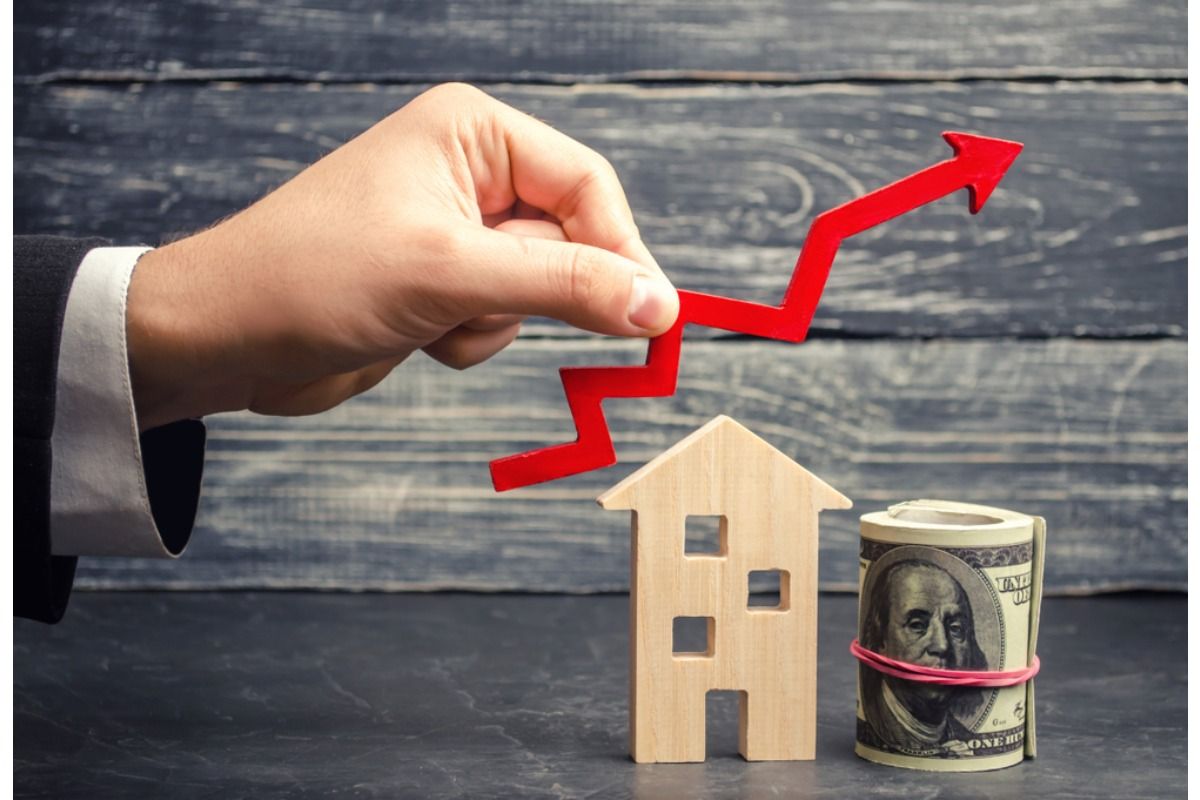
Rising rent prices across major U.S. cities are putting increasing pressure on tenants, with many saying each lease renewal feels like a financial reset. Even long-term renters are finding it harder to predict or absorb sudden increases.
Rent Growth Is Outpacing Income
In many urban areas, rent increases are moving faster than wage growth. This creates a gap between what people earn and what they pay for housing. Over time, even modest increases become difficult to manage. For many tenants, budgeting becomes more unpredictable. Stability is harder to maintain month to month.
Renewal Season Brings Uncertainty
Lease renewals have become a point of stress for renters. Instead of small adjustments, some are facing significant jumps in monthly payments. This makes long-term planning difficult. Tenants often don’t know what to expect until the last moment. Each renewal can feel like a fresh negotiation with no guarantee of stability.
Major Cities Are Seeing Strong Pressure
High-demand urban areas continue to experience intense competition for housing. Limited supply combined with strong demand keeps prices elevated. Even smaller apartments are affected. This trend is visible across multiple metropolitan regions. The pressure is not limited to one location.
Moving Is Becoming Less Viable
Even when rent increases are high, moving is not always a better option. New leases often come with similar or higher prices. Moving costs, deposits, and uncertainty add to the burden. As a result, many tenants choose to stay despite increases. This reduces mobility in the housing market.
Budget Strain Affects Daily Life
Higher rent often forces changes in other spending habits. Discretionary expenses are reduced first, followed by essentials when needed. This creates long-term financial stress. Savings become harder to build. Financial flexibility decreases over time.
Housing Supply Remains Limited
A key factor behind rising rents is the lack of sufficient housing supply in many cities. New construction is not always keeping pace with population and demand. This imbalance keeps prices elevated. Until supply increases, pressure is likely to continue. Structural issues play a major role.
Tenants Are Seeking Longer Stability
More renters are looking for longer lease terms or fixed-rate agreements where possible. Predictability is becoming more valuable than flexibility. However, such options are not always widely available. Stability has become a priority for many households. Security now outweighs short-term savings.
Policy Discussions Continue
Housing affordability remains a major topic in local and national discussions. Rent control, zoning changes, and development incentives are all being debated. However, solutions take time to impact the market. Short-term relief is limited. Long-term changes are still evolving.
Emotional Impact of Uncertainty
Beyond financial pressure, constant rent increases create emotional strain. The feeling of instability affects long-term planning, from career choices to family decisions. Many renters describe a sense of being stuck in uncertainty. Housing insecurity shapes daily life in subtle ways.
Rising rents are not just a cost issue, they are reshaping how people live, plan, and move within cities. For many tenants, every renewal has become a reminder that stability in housing is increasingly difficult to secure.