Parking Fees Are Climbing in Urban Areas, and Drivers Say “There’s No Such Thing as Free Parking Anymore”
Parking fees are climbing in urban areas, and many drivers say the idea of free parking is disappearing from everyday city life. What used to be a small or occasional expense is now becoming a regular part of commuting and visiting city centers.
Parking Is Becoming a Major Daily Expense
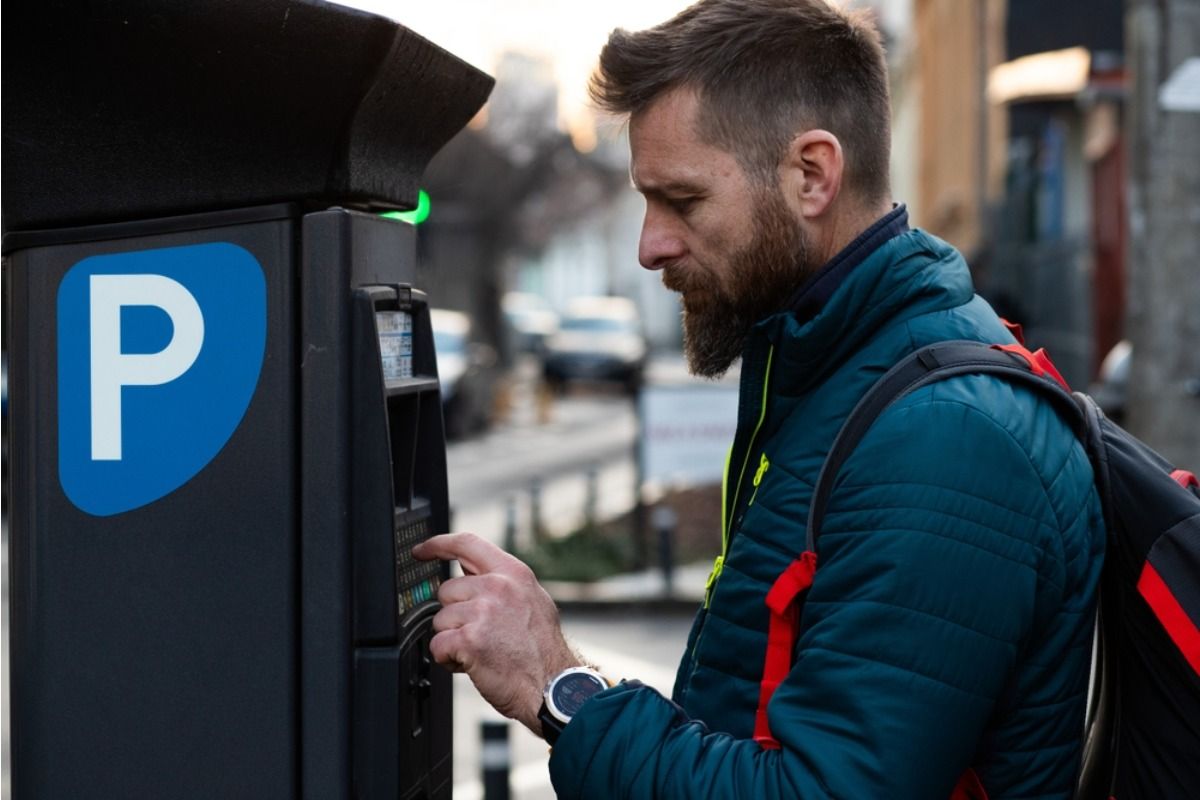
Drivers are noticing higher hourly and daily rates in both public and private parking spaces. Even short stops can cost more than expected. In some areas, parking fees now rival transport fares. The cost adds up quickly for regular commuters. Parking is no longer a minor expense.
City Centers Are the Most Expensive
Downtown areas and commercial zones often have the highest parking charges. Demand is high and space is limited, which pushes prices upward. Visitors and workers both feel the impact. The closer you are to busy areas, the more you pay. Location directly affects cost.
Private Operators Are Increasing Rates
Many parking facilities are run by private companies that adjust pricing based on demand. This can lead to frequent price changes. Peak hours often cost significantly more. Drivers have less predictability in pricing. Flexibility for operators means higher costs for users.
Free Parking Is Becoming Rare
Many cities are reducing or eliminating free parking zones to manage traffic and encourage public transport. Areas that once had free street parking now have meters or restrictions. Drivers are noticing fewer free options overall. Convenience is being restructured. Space is being monetized.
Commuters Are Feeling the Impact
People who drive daily to work are especially affected by rising parking costs. Monthly expenses can increase significantly when parking is included. Some drivers are rethinking their commuting methods. The total cost of driving is rising. Parking is a key factor.
Public Transport Becomes More Attractive
As parking becomes more expensive, some people consider switching to buses, trains, or ride-sharing services. The comparison between transport options is changing. Cost savings become a strong motivator. Parking fees influence travel choices. Behavior shifts accordingly.
Time-Based Pricing Adds Pressure
Many parking systems now use dynamic pricing based on time of day or demand. Peak hours are more expensive than off-peak. This creates uncertainty for drivers. Planning visits becomes more complicated. Timing now affects cost directly.
Businesses and Customers Are Affected
Shoppers and visitors may spend less time in city areas due to parking costs. This can influence local business traffic. Some customers avoid driving altogether. Accessibility becomes a concern. Parking affects economic activity indirectly.
Alternative Solutions Are Being Explored
Cities are experimenting with park-and-ride systems, shared mobility, and expanded public transport to reduce congestion. Some areas encourage cycling or walking infrastructure. These changes aim to reduce reliance on cars. Parking demand is being managed differently. Urban planning is evolving.
A Shift in Urban Living Costs
Parking is becoming part of a broader increase in everyday urban expenses. Alongside rent, food, and transport, it adds to the financial pressure of city living. What was once overlooked is now a visible cost. Drivers are adapting to new realities. The landscape is changing.
As parking fees continue to rise in urban areas, many drivers are rethinking how they move through cities. For a growing number of people, even short trips now come with a clear price tag attached.