
More Americans Are Selling Personal Items to Stay Afloat and Admit “It’s Getting Harder to Let Things Go”
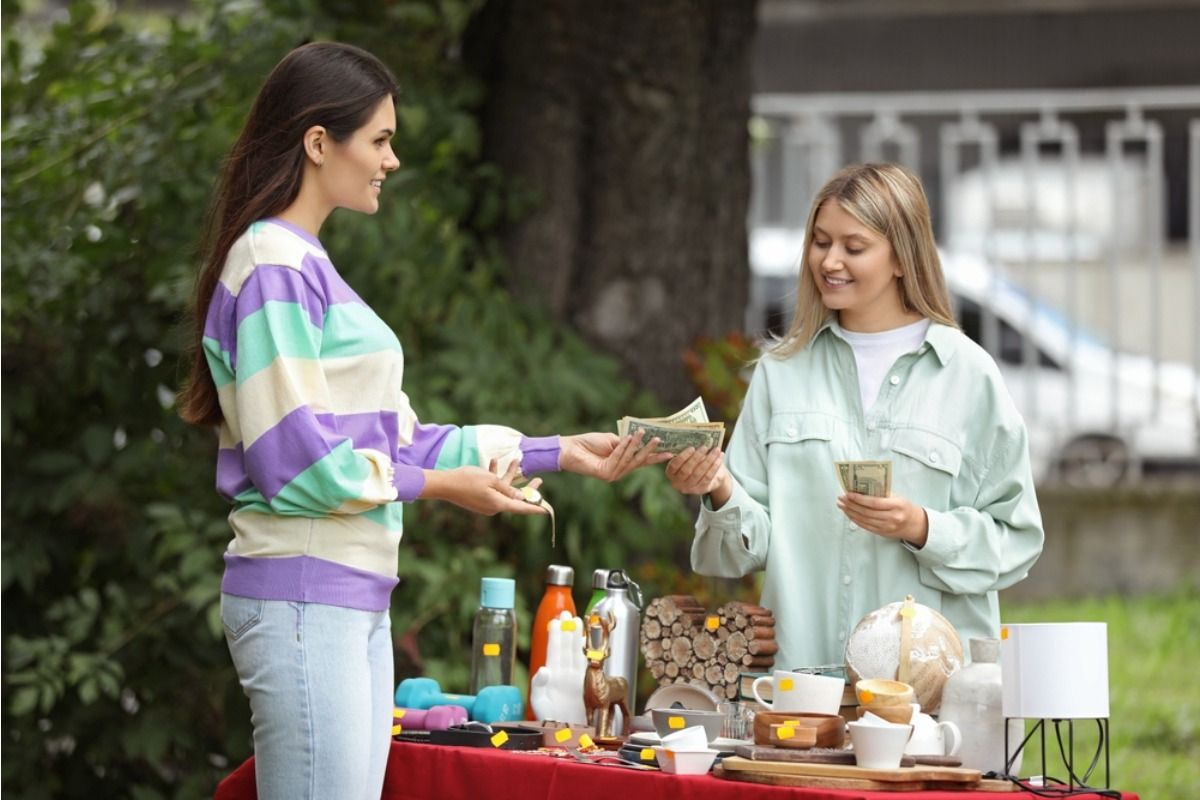
For many Americans, selling personal belongings has shifted from occasional decluttering to a financial necessity. Items once kept for sentimental or future value are now being listed online or sold locally to cover everyday expenses. What used to feel optional now feels urgent. As costs rise and savings shrink, letting go of possessions has become part of staying afloat.
Turning Belongings Into Emergency Cash
People are increasingly selling electronics, furniture, jewelry, and even hobby items to generate quick cash. These sales often help cover bills, groceries, or unexpected expenses. While it provides short-term relief, it also reduces what people own over time. The process can feel like trading long-term comfort for immediate stability.
Sentimental Value Makes It Harder
Many items being sold are not just objects, they carry memories or personal meaning. Letting go of these possessions can be emotionally difficult. People may hesitate before listing items, knowing they may not be able to replace them later. This emotional weight makes each sale feel significant.
Fewer Items Left to Sell Over Time
At first, selling unused or extra items can feel manageable. But as time goes on, people run out of things they are willing to part with. What remains are items they use regularly or deeply value. This makes continued selling harder and less sustainable as a long-term solution.
Online Platforms Make It Easier but More Common
Resale apps and marketplaces have made it simple to list and sell items quickly. While this convenience helps, it also normalizes the behavior. More people are turning to these platforms regularly, not just occasionally. The ease of selling highlights how widespread the need has become.
A Temporary Fix for Ongoing Problems
Selling personal items can help bridge short-term financial gaps, but it does not solve underlying income or expense issues. Once items are gone, they cannot be sold again. This creates a cycle where new financial pressures require new solutions. The relief is real but limited.
Emotional and Financial Trade-Offs
Each sale involves a balance between financial need and personal attachment. While the money helps, the loss of belongings can feel like a step backward. Over time, this can affect how people view their financial situation and sense of stability. The decision becomes harder with each item sold.
Selling personal items has become a coping strategy for many facing rising costs and limited income. It offers immediate support, but often comes with emotional and practical trade-offs. As financial pressure continues, more people are confronting the difficult reality of letting go just to keep up.