More Americans Are Avoiding Food Delivery Apps and Saying “The Fees End Up Costing More Than the Meal”
More Americans are avoiding food delivery apps and saying “the fees end up costing more than the meal” as frustration continues growing around rising delivery charges, tipping expectations, and inflated menu prices on major platforms.
Ordering Food Used to Feel Convenient and Cheap
When food delivery apps first exploded in popularity, many people saw them as a simple luxury. Cheap delivery promotions and discounts made ordering feel easy. Fast food and casual meals arrived quickly at the door. And the convenience felt worth the extra cost at the time.
Customers Started Noticing the Total Price Jump
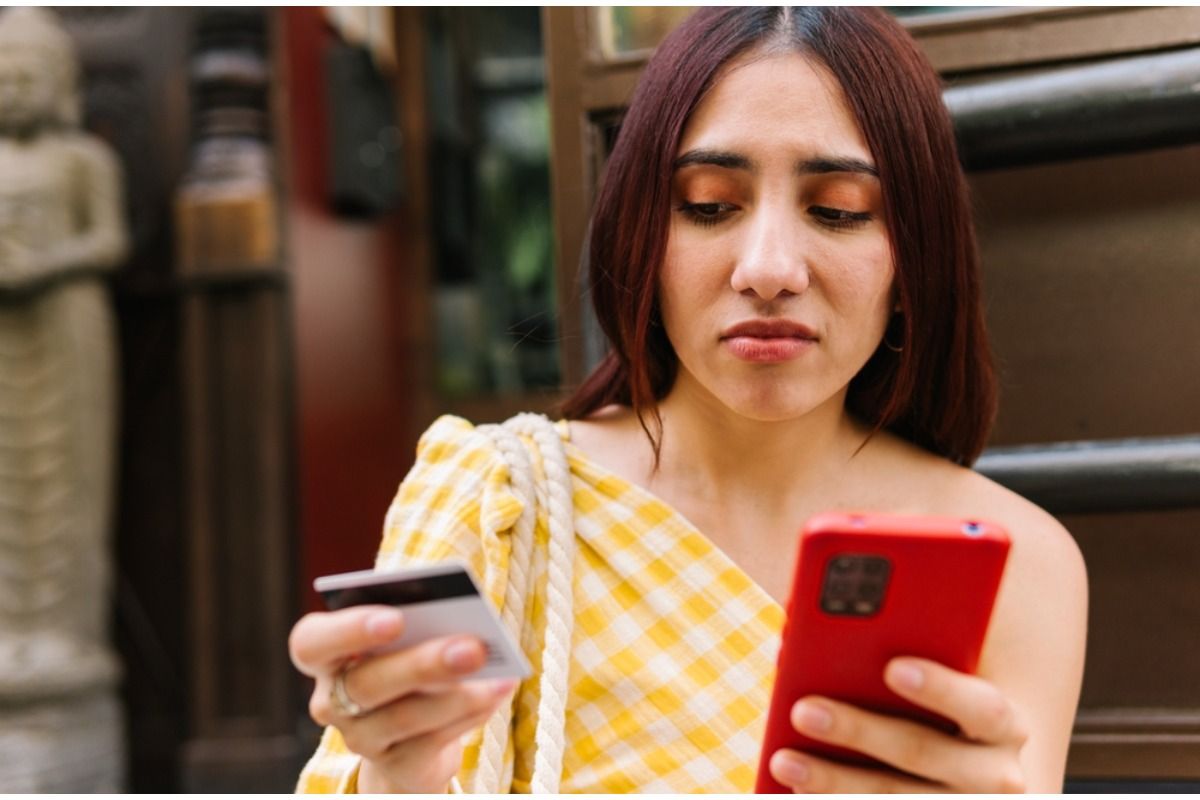
Over time, people began paying closer attention to final checkout totals. A meal that originally looked affordable suddenly doubled in price after taxes, delivery fees, service charges, and tips. And many users say the final amount now feels shocking every single time.
“The Fees Cost More Than the Meal”
That complaint has become incredibly common online. Customers share screenshots showing small meals turning into extremely expensive orders by checkout. Some say they completely stopped ordering after realizing how much extra they were paying. And frustration keeps spreading across social media.
Menu Prices Often Increase Inside the Apps
Many users also discovered restaurants frequently charge higher prices through delivery apps compared to in-store menus. A burger, sandwich, or drink may already cost more before fees even appear. And that realization made some customers feel misled.
Tipping Pressure Became a Major Issue
Another source of backlash is tip culture within the apps. Suggested tip percentages often appear before checkout with large default amounts. Some customers feel guilty lowering them. Others feel frustrated being asked to tip heavily after already paying multiple fees.
People Started Picking Up Orders Themselves Again
As costs climbed, many customers changed habits completely. Instead of delivery, they now order directly from restaurants and pick up food personally. Some say they save huge amounts of money doing this regularly. And restaurants often prefer it too.
Restaurants Aren’t Always Happy Either
Many restaurant owners have also criticized delivery apps publicly. Commission fees charged to businesses can be extremely high. Some smaller restaurants say profits shrink dramatically through app orders. And that tension adds another layer to the growing backlash.
Social Media Made the Complaints Explode
Screenshots of absurd checkout totals spread constantly online now. A simple fast-food order turning into a massive bill often goes viral quickly. And every viral example reinforces the idea that delivery apps are becoming financially unreasonable.
Inflation Made the Problem Feel Worse
Rising food prices overall intensified customer frustration. Many households already feel pressure from grocery and restaurant costs. So when delivery fees stack on top, the total feels even more excessive. And some users say delivery has become impossible to justify regularly.
Convenience Still Keeps Some People Hooked
Despite the complaints, delivery apps remain extremely popular in busy cities and among people with demanding schedules. Convenience still matters. But even loyal users admit they now hesitate more often before placing orders.
Customers Say the Experience Feels Less Worth It
For many people, the emotional shift is noticeable. Delivery once felt exciting and convenient. Now, opening the checkout page often creates sticker shock instead. And users increasingly question whether the convenience is really worth the price anymore.
A Growing Pushback Against Convenience Costs
In the end, the situation isn’t just about delivery fees, it’s about how convenience services gradually became so expensive that many Americans now feel basic takeout orders come loaded with hidden costs, turning what once felt like an affordable luxury into something that increasingly feels financially excessive.