
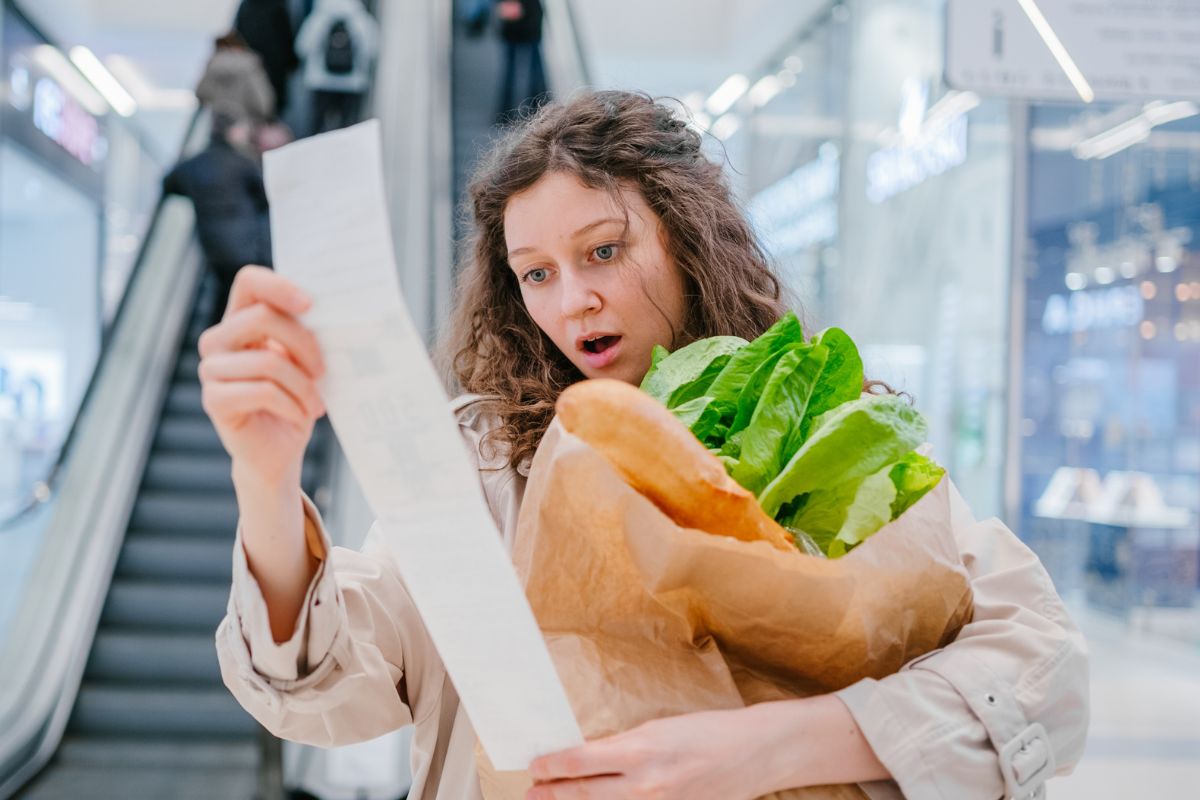
Your Groceries, Car, and Clothes Just Jumped Up to 35% in Price
If it feels like your paycheck isn’t stretching as far as it used to, you’re not imagining it. Over the past few years, the cost of everyday essentials like groceries, vehicles, and clothing has climbed sharply, in some cases by as much as 30 to 35 percent compared with pre-pandemic levels.
While overall inflation has cooled from its peak, many of the prices consumers see every day have not returned to where they were. For many families, the result is a noticeable squeeze on monthly budgets.
Grocery Prices Remain Significantly Higher
Food prices have risen dramatically since 2020. According to federal inflation data, grocery costs increased rapidly during the height of pandemic supply disruptions and have remained elevated.
Several factors continue to affect food prices:
- Higher fuel and transportation costs
- Increased labor expenses for food producers and retailers
- Weather-related crop challenges
- Global supply chain disruptions
Even though year-over-year inflation has slowed, that does not mean prices have fallen. It simply means they are rising more slowly than before. Many staple items remain significantly more expensive than they were just a few years ago.
For households, that means weekly grocery trips can cost hundreds more per month than they did before 2020.
Car Costs Are Still Elevated
The cost of owning a vehicle surged during the semiconductor shortage, when limited supply drove up prices for both new and used cars. Although inventory has improved, vehicle prices remain well above pre-pandemic levels in many markets.
Beyond the purchase price, drivers are also facing:
- Higher auto insurance premiums
- Increased repair and maintenance costs
- Rising registration and financing costs
When combined, these factors mean the true cost of owning and operating a vehicle has risen substantially for many Americans.
Clothing Prices Have Also Climbed
Clothing prices, which had remained relatively stable for years, have also moved upward. Retailers faced higher shipping expenses, increased production costs, and supply delays over the past several years. Many of those costs were passed directly to consumers.
While seasonal discounts and sales still exist, base prices on many apparel items are noticeably higher than they were before 2020.
Why Prices Have Not Fallen Back Down
A common question consumers ask is why prices do not drop once inflation slows.
Economists explain that inflation measures the rate at which prices increase, not whether prices decrease. Once businesses adjust pricing upward due to higher costs, those prices often stay elevated unless demand weakens significantly or production costs drop.
In addition, companies that faced higher wages, rent, fuel, and material expenses may keep prices higher to protect profit margins.
What This Means for Household Budgets
The combined effect of higher food, transportation, and clothing costs can add up to thousands of dollars per year for some families.
Households may feel pressure even if their income has increased, especially if wage growth has not kept pace with the rising cost of essentials.
Consumers are responding by:
- Comparing prices more closely
- Delaying large purchases
- Trading down to store brands
- Cutting back on discretionary spending
While inflation has moderated compared to its peak, the higher price level remains. For many Americans, that means the cost of daily life looks permanently different than it did just a few years ago.
You Might Also Like: