
Why People Are Starting to Question Smart Devices, Privacy, Control, and Real-World Tradeoffs
It’s easy to get hooked on the convenience that comes with smart gadgets. But if you’ve ever wondered what’s happening behind the scenes with your data or worried about your device suddenly stopping support, you’re not alone.
People are starting to see privacy gaps, weak security, rising costs, and environmental waste as real concerns that sometimes outweigh the perks. These issues are making many of us rethink which devices we invite into our homes.
Let’s break down what smart devices really do, the privacy and security worries that keep coming up, how trust in big tech plays a role, and the impact these choices have on daily life and the environment. You’ll also find some practical ways to navigate the smart device world.
What Are Smart Devices?
Smart devices are everyday items that connect to networks and act on data. They learn from your habits, get updates, and let you control them from afar.
Popular Types of Smart Devices
You might spot smart devices in nearly every room or even on your wrist. Some common examples are:
- Smartphones that run apps and control other gadgets
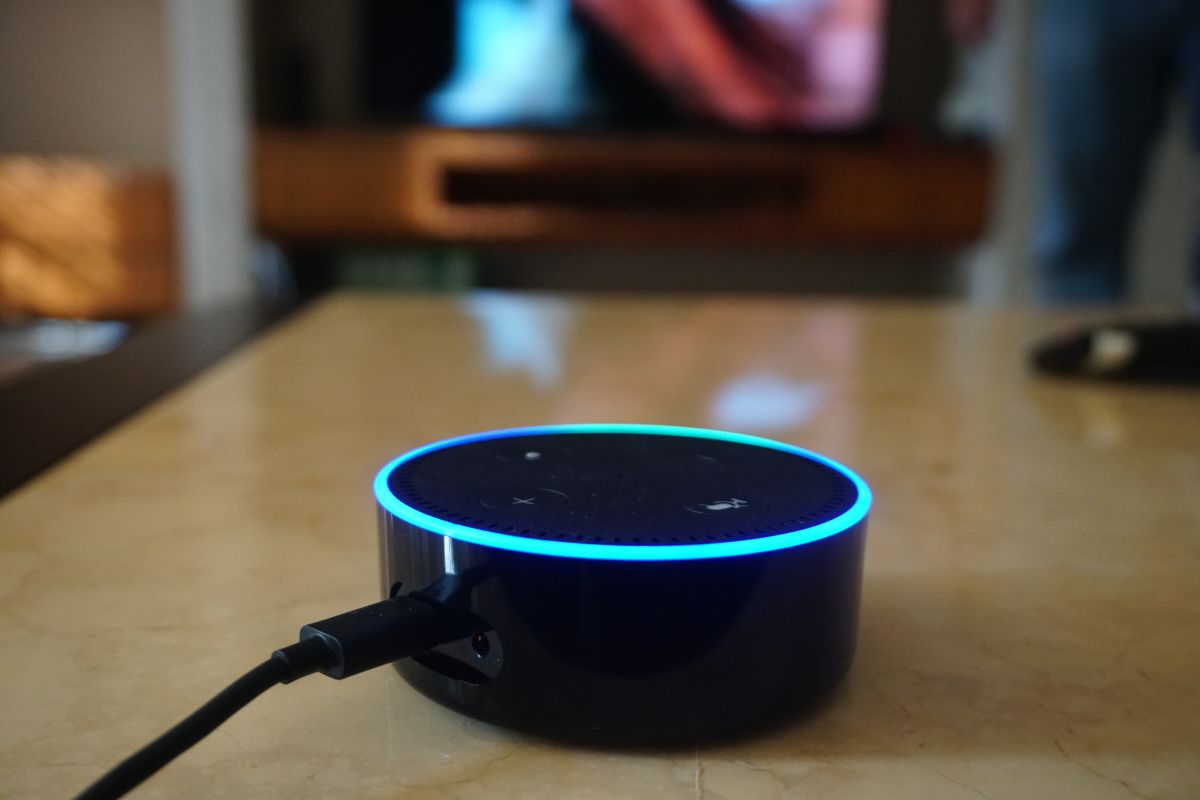
- Smart speakers and displays for voice commands, music, and timers
- Smart thermostats to adjust heating and cooling automatically
- Smart lights and plugs for remote control or scheduled routines
- Smart cameras and doorbells with live video and motion alerts
- Wearables like fitness trackers and smartwatches
- Smart appliances such as connected fridges or ovens
- Connected cars with apps for navigation and remote features
Most devices link to an app or a voice assistant, giving you remote control and automation. Compatibility depends on the brand, price, and which wireless protocol they use.
How Smart Devices Work
Smart devices use sensors and software to collect and process information. They connect to your home network through Wi-Fi, Bluetooth, or other protocols.
Data often goes to an app, a cloud service, or a central hub. Cloud services might use machine learning to personalize your experience.
You control these devices through apps, voice, or automation. Updates arrive over the internet, adding new features or fixes. The way devices are powered—battery, plug, or hardwired—affects where you can place them and how reliable they are.
Security and privacy depend on how the manufacturer handles your data and what protections are in place.
Why People Adopt Smart Home Technology
Convenience is a big draw for smart devices. A thermostat that learns your schedule can help you save on heating bills.
Smart lights let you set the mood for different activities without leaving your seat. Remote access means you can check your cameras or lock your doors from anywhere.
Automation routines save time, like turning off all the lights at night. Some people use smart tech for health tracking or to boost car safety.
Social influence also plays a role. Recommendations from friends or family, reviews, and compatibility with your current setup can sway your decision.
Privacy and ongoing costs, such as subscriptions, might change how satisfied you feel later.
Common Privacy Concerns
Smart devices often collect more personal data than you might realize. They track habits, record sounds, and sometimes share info with third parties.
This raises questions about what happens to your data and who might have access to it.
Data Collection Practices
Many smart devices keep detailed logs of your usage. Your thermostat knows when you’re home, and your TV tracks what you watch.
Manufacturers may collect device diagnostics and voice histories. These details are often hidden deep in terms of service or privacy settings.
Some devices send data to cloud servers around the clock. This can be risky if those servers are ever breached or if the company changes its rules.
You can sometimes review data retention policies and delete old records, so it’s worth checking.
Listening and Surveillance Fears
It’s unsettling to think a device might be listening when it shouldn’t. Microphones can activate by mistake or because of software glitches.
Unwanted recordings sometimes end up stored in your account or used to train AI models. Cameras inside and outside your home raise their own privacy issues.
Motion alerts and video clips can reveal when you’re away or who visits. Using privacy modes, disabling microphones, and choosing camera placement carefully can help.
Some devices have sent snippets of audio or images to third parties for analysis. Look for clear indicators when a device is recording, and pick models that let you turn off always-on listening.
Sharing Info With Third Parties
Device data often gets shared with partners, advertisers, or analytics firms. This might include your location, purchase history, or even voice transcripts.
Legal requests can also force companies to hand over your data. It’s a good idea to check if the company publishes transparency reports and to review your app permissions.
Strong passwords and two-factor authentication help protect your accounts. Devices that support local processing keep more of your data inside your home.
Security Issues With Smart Devices
Smart devices can open up your home to digital risks. Attackers target them for remote access, and weak passwords make it easier for them to get in.
Potential for Hacking
Cameras, doorbells, and thermostats are tempting targets because they’re always online and often overlooked.
If a device has an open network port or uses insecure communication, hackers can view feeds or take control. Using device logs and router tools can help spot unfamiliar connections.
Placing devices on a guest network and disabling features you don’t need can limit exposure.
Weak Passwords and Access Points
Default passwords are a common weak spot. Many devices come with easy-to-guess logins, and if you don’t change them, you’re at risk.
Use unique, strong passwords or passphrases for each device. Enable two-factor authentication when you can.
Don’t forget to secure your router and IoT hubs too. If your network isn’t protected, changing device passwords won’t be enough.
Vulnerabilities in Updates
Not all devices get regular software updates. Some manufacturers stop supporting older models, leaving them open to known vulnerabilities.
Check a company’s update policy before buying. For devices you own, enable automatic updates if they’re secure.
If a device no longer receives updates, it might be time to replace it.
Big Tech Trust Issues
Smart devices often connect back to large companies that profit from data and services. This can make you wonder just how much control you really have.
Lack of Transparency
It’s not always clear what data a device collects or how long it’s stored. Product pages rarely show full logs or retention times.
Firmware updates can add new features or sensors without much notice. Without clear change logs, it’s tough to assess new risks.
Corporate Data Handling
Big tech firms store data across many servers, sometimes sharing it between different business units.
Voice clips, video thumbnails, and usage data might be linked to your account or used for advertising.
Breaches and third-party access are real risks. Look for companies that offer deletion tools and let you process data on the device itself.
Concerns Over Monetization
The price you pay for a device isn’t always the end of the story. Companies often find ways to monetize your data through ads, subscriptions, or bundled services.
Free or cheap devices might mean your data is the real product. If you want to avoid that, check for clear monetization models and paid options that limit data sharing.
Impact on Daily Life
Smart devices can change your daily habits and routines in ways you might not expect. They’re designed to add convenience, but sometimes they bring new challenges.
Digital Overload and Screen Time
It’s easy to find yourself checking your phone or smart display constantly. Notifications can pull your attention away from work, sleep, or face-to-face time.
Screen time can sneak up on you, turning quick breaks into longer distractions. Turning off nonessential alerts or setting app limits can help.
Try using airplane mode during focused work or before bed to create some boundaries.
Shifting Social Interactions
Texting and social apps make it easy to keep in touch, but sometimes at the expense of deeper conversations.
Without facial expressions or tone, messages can be misunderstood. Group chats can spread your attention thin.
Setting aside phone-free times during meals or meetups helps protect real connections.
Cost and Value Considerations
Smart devices promise savings and convenience, but they also come with upfront costs and sometimes ongoing fees.
Think about how often you’ll actually use each device and whether it adds value or just another bill.
Device Expenses
Higher-end devices with more features or trusted brands cost more. A smart thermostat might run $100 to $300, while smart bulbs range from $10 to $50 each.
Extras like hubs, sensors, or installation can add up. Compare possible savings to these costs and consider warranty length and expected lifespan.
Subscription Requirements
Some features require monthly fees, especially for home security cameras or cloud storage.
Decide which features matter most to you before signing up. If you only need basic access, a free tier might be enough.
Bundled discounts can help, but always factor in the total annual cost.
Environmental Footprint of Smart Tech
Smart devices have a real impact on the environment, from short lifespans to constant power use.
E-Waste Concerns
Many devices are hard to repair and only last a few years. They often combine plastic, rare metals, and batteries that aren’t easily recycled.
Choosing products with replaceable batteries, repair guides, and long-term support can help reduce waste.
Manufacturer take-back programs and buying used are other ways to cut down on e-waste.
Energy Consumption
Smart devices use power even when idle. A few watts here and there can add up, especially if you have a lot of them.
Look for low-power modes, schedule off times, and use local processing when possible. Power strips and sleep settings can help cut down on unnecessary electricity use.
Small changes in how you buy and use smart devices can make a big difference for both your wallet and the planet.
Emerging Alternatives and Solutions
Tired of feeling watched by your own gadgets? There are real ways to take back control and keep your data out of the wrong hands.
Some devices limit data collection and work fine without always being online. The two main approaches are hardware and software that keep your information local, and gadgets that only connect when you allow it.
Privacy-First Devices
Privacy-first devices store your data on the device itself, or encrypt it so only you can access it. Phones, wearables, or smart home hubs that process voice, photos, or health data right on the device are becoming more common.
This means less of your personal info ends up on company servers. Look for clear privacy controls like physical mute switches, per-app permissions, and easy ways to delete your data.
Some brands even provide open-source firmware so you can see what the device is really doing. You might have to accept fewer features or slower updates, but you get more peace of mind about who sees your information.
Offline Smart Technology
Offline smart tech gets the job done without needing to be connected to the internet all the time. For example, home hubs can run automation rules locally, cameras can save footage to a local drive, and health trackers can sync over Bluetooth when you decide.
These options lower your risk of outside attacks and help you avoid ongoing cloud fees. When shopping for devices, look for local-mode features, removable storage, and the ability to turn off cloud backups.
Also, check if you can update the device using USB or your own network instead of relying on the cloud. While you might lose some remote convenience, you gain much stronger control over your data and who can access it.
The Future of Smart Devices
As networks like 5G become more common, you might notice your devices getting faster and more reliable. This can make a real difference whether you are at home, at work, or somewhere off the beaten path.
Artificial intelligence is starting to shape the way devices behave. Your phone or smart speaker may begin to suggest things before you even think of them, or change settings based on your routines.
Privacy is becoming a bigger concern for many people. Companies are being pushed to offer clearer choices, better updates, and easier ways to control your data.
You might start seeing new types of devices, like wearables with advanced sensors or controls you do not have to touch. Some of these changes are still being tested, but a few could show up sooner than you think.
Sustainability is also coming to the forefront. People are starting to look for products that are easier to repair, have longer software support, and offer more recycling options.
If you ever feel overwhelmed by all the smart features, you are not alone. Some devices let you turn off what you do not need or keep more of your data on the device itself, giving you a bit more peace of mind.