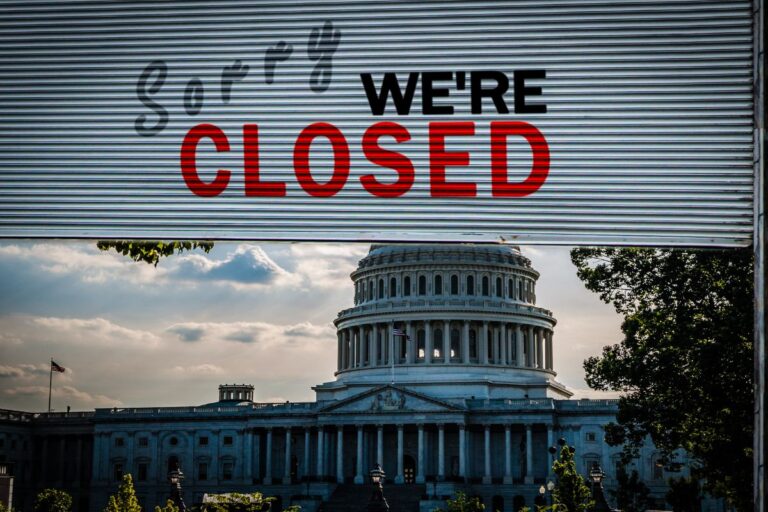

What Happens to Your Medicare Coverage If the Government Runs Out of Funding?
Why Medicare Comes Up Every Time a Shutdown Is Discussed
When Congress approaches a funding deadline and the possibility of a government shutdown resurfaces, millions of Americans who rely on Medicare ask the same question: Will my coverage stop?
Medicare provides health coverage to more than 65 million seniors and people with disabilities. Because it is such a central part of retirement security, even the possibility of disruption creates concern — especially for those relying on ongoing treatments, prescriptions, or scheduled procedures.
Understanding how Medicare is funded helps explain what would, and would not, happen during a federal funding lapse.
Why Medicare Coverage Typically Continues
Unlike many federal agencies that rely on annual discretionary funding from Congress, Medicare is considered mandatory spending. It is primarily financed through payroll taxes, beneficiary premiums, and dedicated trust funds rather than short-term appropriations bills.
According to contingency planning documents from the U.S. Department of Health and Human Services, Medicare benefit payments continue during a lapse in appropriations because they are funded through these separate mechanisms.
Health policy analyses have consistently noted that Medicare benefits historically continue during shutdowns for this reason.
In past shutdowns, Medicare coverage itself did not stop. Doctors continued seeing patients, hospitals continued billing Medicare, and prescription drug coverage under Part D remained active.
Where Disruptions Can Actually OccurPrivacy Policy
Although coverage typically remains in place, administrative functions can be affected during a funding lapse.
During previous shutdown periods, certain Medicare Administrative Contractors temporarily paused claims processing or experienced slower payment cycles until funding resumed.
Source:
American Society of Nuclear Cardiology reporting on CMS claims holds
Reduced staffing levels can also affect:
• Processing of new Medicare enrollments
• Appeals and billing disputes
• Customer service response times
• Replacement Medicare card requests
Financial publications have previously reported that customer support delays are one of the most noticeable impacts for beneficiaries during shutdowns.
What About Medicare Advantage and Prescription Drug Plans?
Medicare Advantage (Part C) and Medicare Part D prescription drug plans are administered through private insurers under federal contract.
Because these are private plans operating under ongoing contracts, coverage typically continues during shutdown periods. However, oversight and regulatory functions at the federal level may operate with limited staffing.
Some health industry groups have also noted that certain telehealth flexibilities depend on congressional action and may shift depending on broader funding legislation.
Source:
LeadingAge analysis of shutdown planning
What This Means for Your Household
If the federal government runs out of funding:
• Your Medicare coverage is expected to remain active
• Doctor visits and hospital services should continue
• Prescription drug coverage should continue
• Medicare Advantage plans should remain operational
However:
• Administrative paperwork could slow
• Claims processing may take longer
• Customer support response times could increase
For beneficiaries already enrolled and receiving care, historical precedent suggests coverage itself would not be interrupted. The greater risk lies in administrative delays rather than benefit cancellation.
As funding negotiations continue, clarity from Congress and federal agencies remains critical for the millions of Americans who depend on Medicare for access to healthcare.
You Might Also Like: