
What Happens to Your Food Stamp Benefits If Congress Misses the Next Funding Deadline?
Why the Federal Funding Deadline Matters for Food Assistance
As Congress once again faces a funding deadline to keep the federal government operating, many families who rely on the food stamp program are asking a simple question:
Will my benefits stop if the government shuts down?
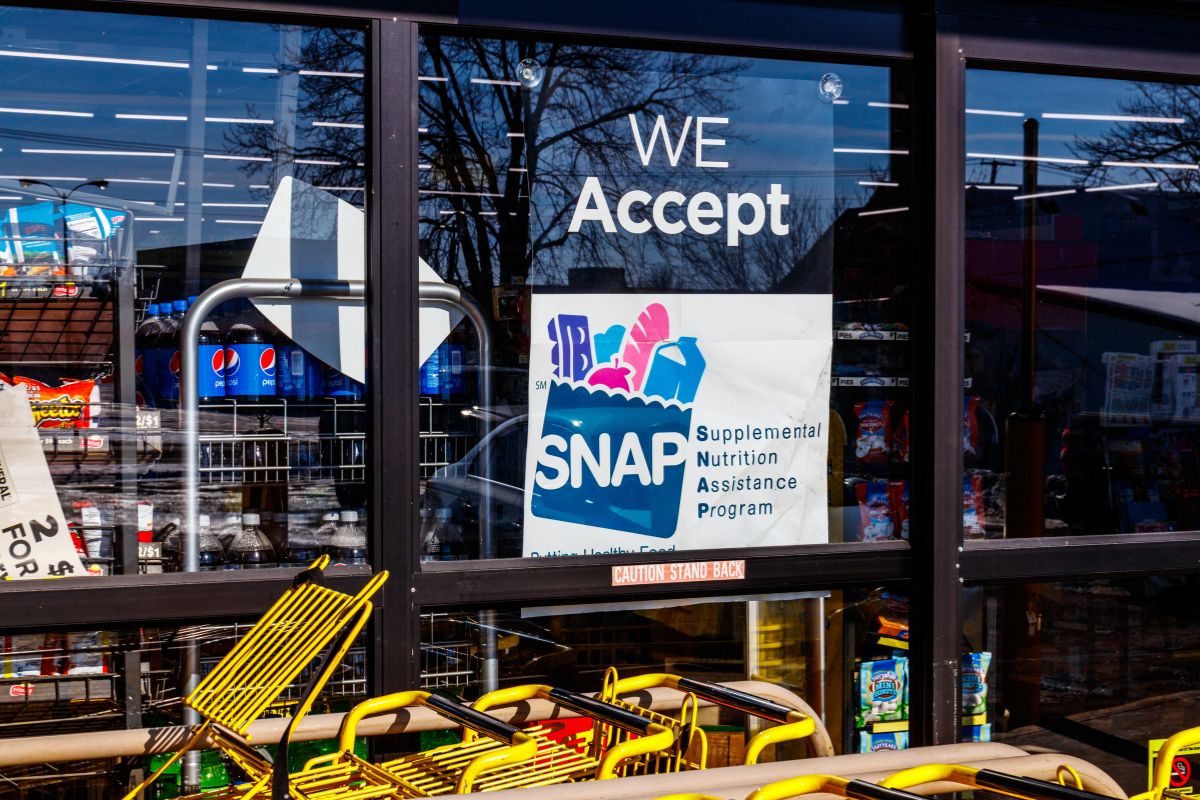
The food stamp program, officially known as the Supplemental Nutrition Assistance Program (SNAP), provides monthly grocery assistance to more than 40 million Americans. Because it is federally funded, concerns about a shutdown often trigger anxiety about whether those payments will continue.
Understanding how the program is funded helps clarify what could happen.
Does the Food Stamp Program Stop During a Government Shutdown?
In past shutdowns, food stamp benefits have generally continued, but not without complications.
The program is funded through a combination of mandatory spending and appropriations. When a shutdown occurs, states can sometimes rely on previously authorized funding to continue issuing benefits temporarily. However, if a shutdown lasts longer than expected and funding authority runs out, states may face delays in issuing payments.
During the 2018–2019 government shutdown, the U.S. Department of Agriculture used contingency funds to ensure February benefits were issued early. But officials warned at the time that a prolonged shutdown could disrupt March payments if Congress did not act.
That history is why funding deadlines bring renewed concern for households that depend on food assistance for groceries.
What Could Happen to Your Monthly Benefits
If Congress fails to pass a funding bill and the shutdown is short, most recipients would likely continue receiving benefits on schedule.
However, if the shutdown extends and contingency funds are exhausted, possible impacts could include:
• Delayed benefit issuance
• Adjusted payment timing
• Administrative slowdowns in processing new applications
• Delays in resolving eligibility disputes
Importantly, benefits are not automatically canceled during a shutdown. But timing can become uncertain if federal funding authority lapses for an extended period.
For families who budget carefully around monthly food assistance, even a short delay can create strain.
Why Timing Matters for Grocery Budgets
Food stamp benefits are typically loaded onto Electronic Benefit Transfer (EBT) cards on a predictable monthly schedule. Many households plan grocery trips around that deposit date.
If benefits are delayed, even by a week, families may need to rely on savings, credit cards, or local food banks to bridge the gap.
Because grocery prices remain elevated compared with pre-pandemic levels, the timing of those deposits can make a significant difference in household budgeting.
What About New Applicants?
A shutdown can also affect new applicants.
If you are applying for food stamp benefits during a funding lapse, processing times could slow due to reduced federal staffing or administrative delays. States administer the program, but federal oversight and funding approvals play a role in ensuring payments are issued on time.
Existing recipients typically experience fewer disruptions than new applicants, but administrative backlogs are possible during prolonged funding gaps.
What This Means Right Now
As of now, funding negotiations are ongoing. If Congress reaches a deal before the deadline, benefit payments should continue as scheduled.
If lawmakers miss the deadline and the shutdown is brief, most households would likely see little change.
The greatest risk arises if a shutdown extends beyond contingency funding limits.
For millions of Americans who depend on food assistance each month, the key issue is not whether the program disappears, but whether deposits arrive on time.
As funding talks continue, families relying on food stamp benefits should monitor official state updates and deposit schedules closely.
Even short-term uncertainty can have real consequences for household grocery budgets.
You Might Also Like: