What Happens to Your Bank Account If the U.S. Government Shuts Down?
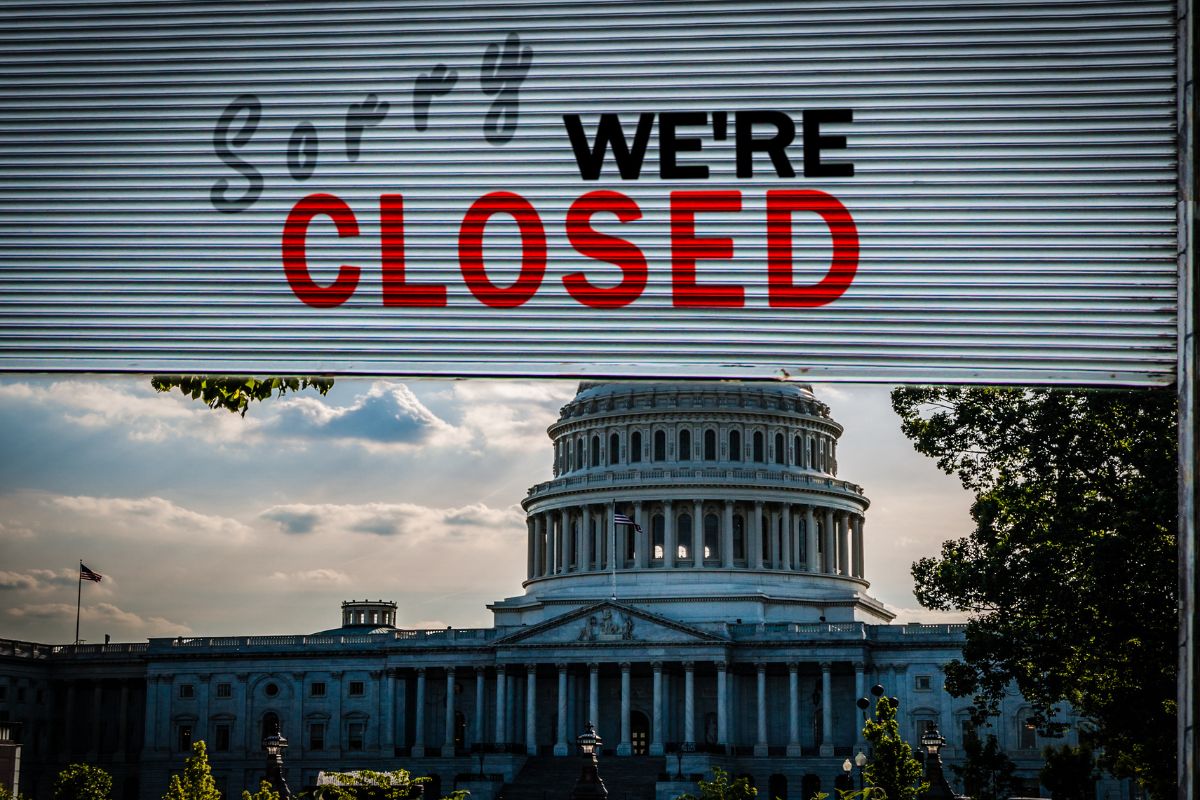
A government shutdown does not freeze the banking system. Your checking account does not suddenly lock up. But depending on where your income comes from, the impact can still be very real.
Here’s what actually happens, based on prior shutdowns and federal contingency plans.
1. Social Security Payments Continue
Social Security benefits are considered mandatory spending.
That means payments continue even during a shutdown because they are funded outside the annual appropriations process.
During past shutdowns, benefits were sent as scheduled.
However: administrative services can slow down.
Customer service, new applications, and in-person appointments may be limited.
(Source: Congressional Research Service, SSA shutdown contingency plans)
2. Federal Workers May Miss Paychecks
Hundreds of thousands of federal employees are furloughed during shutdowns.
Others work without pay and receive back pay later, but not immediately.
That means some households experience delayed income, which can affect mortgage payments, rent, and credit card bills.
During the 2018–2019 shutdown, roughly 800,000 workers were impacted.
(Source: Office of Personnel Management, CRS reports)
3. Tax Refunds Can Be Delayed
The IRS operates with limited staffing during shutdowns.
In some past shutdowns, tax refunds were temporarily paused.
In others, the Treasury adjusted operations to continue processing.
There is no universal rule, it depends on how the shutdown is structured.
(Source: IRS contingency plans, Treasury statements)
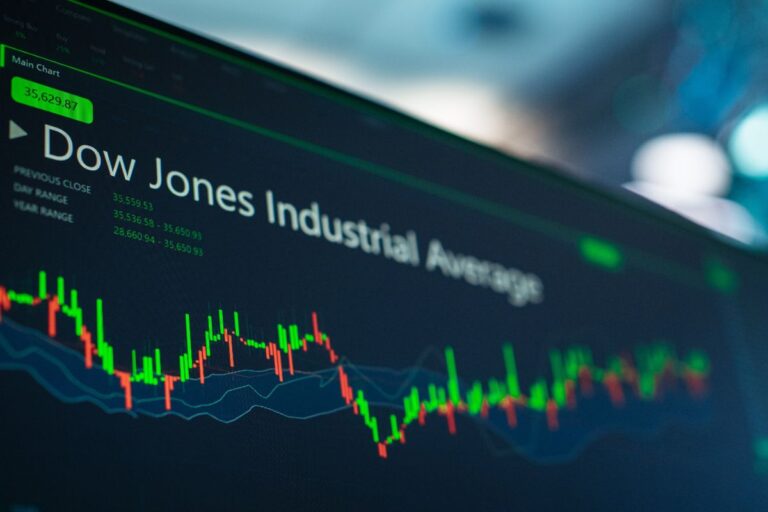
4. Markets Can Become Volatile
Markets don’t shut down during a government shutdown.
But uncertainty tends to increase volatility.
In previous shutdowns, stock markets have reacted more to broader economic fears than to the shutdown itself, but investor sentiment can shift quickly.
If markets fall, retirement accounts tied to equities may fluctuate.
(Source: Federal Reserve historical market data)
5. FDIC Insurance Does Not Change
Your bank deposits remain insured up to $250,000 per depositor per bank.
A shutdown does not affect FDIC protection.
The banking system continues operating normally.
(Source: Federal Deposit Insurance Corporation)
The Bigger Risk: Economic Drag
The longer a shutdown lasts, the more it can weigh on GDP.
The Congressional Budget Office estimated the 2018–2019 shutdown reduced quarterly GDP growth, even though most lost federal wages were later repaid.
That slowdown can indirectly affect:
- Small businesses
- Consumer confidence
- Hiring trends
- Market stability
What It Means for Your Bank Account
For most Americans:
Nothing changes immediately.
But if your income depends on federal payroll, contracts, or government services, cash flow disruptions can happen quickly.
The impact is less about the safety of your money and more about the timing of it.
Source: Social Security Matters
You Might Also Like