What Federal Benefits Continue, and What Stops, During a Government Funding Lapse?
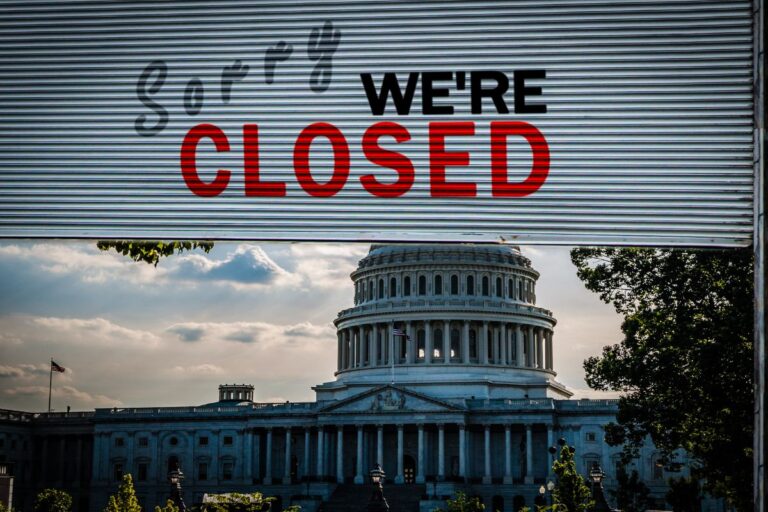
A partial federal funding lapse is now affecting certain government agencies after Congress failed to approve full-year appropriations for parts of the Department of Homeland Security.
While headlines often use the word “shutdown,” what actually happens depends on which agencies lose funding, and which programs are considered essential.
Here’s what that means for federal benefits and household finances.
Social Security and Medicare Continue
Social Security benefits are funded through dedicated payroll taxes and trust funds, not annual congressional appropriations.
That means monthly Social Security payments continue even during a shutdown or funding lapse.
Medicare coverage also continues.
However, administrative services, such as new applications, card replacements, or in-person office visits, may be delayed if staffing is reduced.
SNAP and Food Assistance Can Be Affected
Programs like the Supplemental Nutrition Assistance Program (SNAP) are more vulnerable during extended funding lapses.
In past shutdowns, the Department of Agriculture has used contingency funds to temporarily keep benefits flowing. But longer funding gaps can create administrative strain.
Short-term disruptions are possible depending on how long funding negotiations last.
Federal Workers May Miss Paychecks
During partial shutdowns:
- Some federal employees are furloughed.
- Others are required to work without immediate pay.
Workers are typically granted back pay after funding is restored, but missed paychecks can temporarily affect household cash flow.
Contractors, however, are not always guaranteed back pay.
Tax Refunds and IRS Operations
If a funding lapse spreads to agencies like the IRS, refund processing can slow.
In prior shutdowns, the Treasury Department sometimes continued issuing refunds, but staffing limitations created backlogs.
Refund timing depends on how agencies structure contingency operations.
Markets Stay Open, But Uncertainty Rises
A funding lapse does not shut down the banking system or stock markets.
However, prolonged standoffs can increase volatility and consumer anxiety, particularly if broader fiscal disputes escalate.
The Bottom Line
Not all federal benefits stop during a government funding lapse.
Programs funded through permanent appropriations, like Social Security, generally continue.
But agencies dependent on annual funding may reduce services, delay payments, or furlough workers until Congress passes a new funding measure.
For households relying on federal paychecks or agency services, the immediate risk is usually timing disruption, not permanent loss.
Sources:
- Reuters reporting on DHS funding lapse and congressional negotiations
- U.S. Coast Guard contingency guidance on government funding lapse
- Social Security Administration funding structure documentation
- Congressional Research Service reports on prior government shutdown impacts