
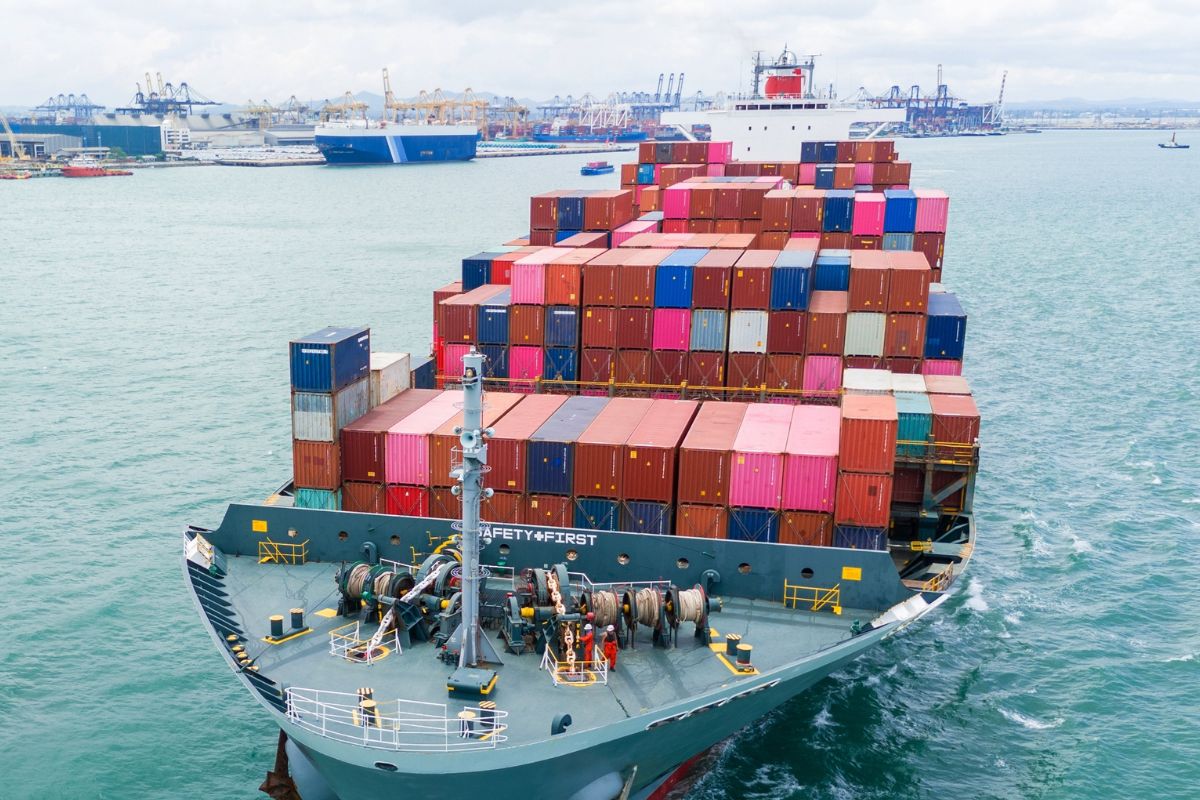
Tariff Revenue Hits Record High, Here’s What That Could Mean for Your Wallet
U.S. tariff collections surged to a record level in fiscal year 2025, according to Treasury Department data, and the jump is now beginning to show up in federal budget numbers.
Customs duties brought in roughly $195 billion, marking the highest annual total on record. That revenue spike has helped narrow the federal deficit by tens of billions of dollars compared to earlier projections.
But while higher tariff revenue may strengthen government finances, economists say the bigger question for households is what happens next: who ultimately pays those tariffs?
What Are Tariffs, Exactly?
Tariffs are taxes imposed on imported goods. U.S. Customs and Border Protection collects those duties when foreign products enter the country.
While the importer technically pays the tariff, businesses often pass some or all of that cost along through higher wholesale or retail prices.
That means consumers can feel the effects indirectly, especially in categories like:
- Electronics
- Appliances
- Vehicles and auto parts
- Construction materials
- Consumer goods sourced overseas
Why Revenue Is Surging Now
Treasury data show tariff collections increased significantly over the past year as:
- Trade volumes remained elevated
- Tariff rates stayed in place on certain imports
- Import values rose with inflation
The higher dollar value of goods crossing U.S. ports means tariff collections increase automatically, even if rates don’t change.
In short: more imports at higher prices = more tariff revenue.
Does Higher Tariff Revenue Lower the Deficit?
To a degree, yes.
Treasury reports show the revenue surge has helped trim the federal deficit by an estimated $30–$40 billion compared to previous forecasts.
However, tariffs still make up a relatively small share of total federal revenue compared to income taxes and payroll taxes.
Economists caution that while tariffs can generate significant revenue in certain years, they are not a primary long-term funding solution.
What It Could Mean for Household Prices
The key issue for consumers is whether businesses absorb tariff costs or pass them on.
Research from the Federal Reserve and academic trade studies suggests that, historically, a meaningful share of tariff costs has ultimately been reflected in higher consumer prices.
That does not mean immediate across-the-board inflation. But it can create price pressure in:
- Imported durable goods
- Manufacturing inputs
- Retail categories dependent on global supply chains
If import costs rise further in 2026, consumers could see price adjustments in certain goods, especially if companies’ profit margins tighten.
The Bigger Picture
Tariffs can serve multiple purposes: trade leverage, domestic industry protection, and revenue generation.
But for households, the real-world impact often shows up not in budget headlines, but at the checkout counter.
As trade policy remains in focus heading into 2026, the balance between federal revenue gains and consumer price pressure will be closely watched.
You Might Also Like: