
Rising Gas Prices Are Forcing Families to Cut Back on Everyday Spending, and Many Admit “We’re Driving Less Just to Keep Up”
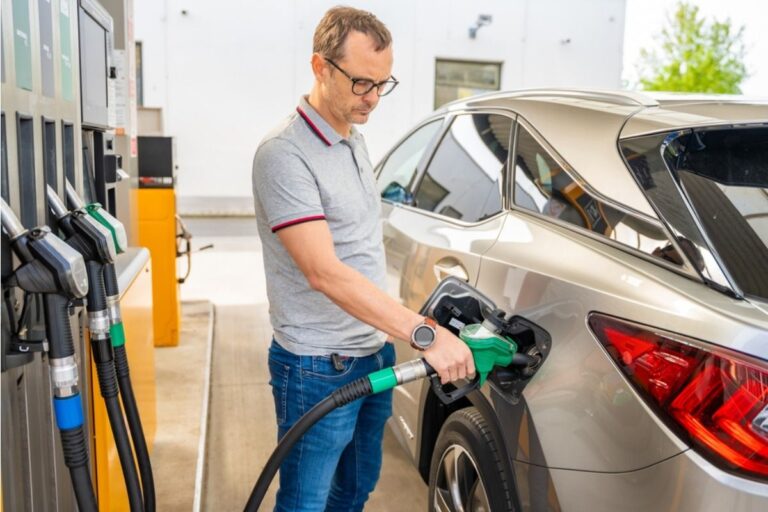
At the corner of Elm and Fifth, a single father parks his minivan and walks the last two blocks to the grocery store. At a suburban bus stop, a retired teacher skips an extra errand she used to make every week. Across neighborhoods and income levels, families are making the same calculation: the cost to fill a tank is no longer a predictable household expense. It is a force that forces choices about food, medicine, work, and how to keep a roof over the household.
At the pump, the monthly budget breaks down
When gas prices climb, the impact is immediate and visible. Families who once factored a steady amount for fuel into their monthly budgets now find that figure creeping up and stealing space from other essential categories. For many households, the math is stark. The rising line at the gas station makes every other bill feel more urgent. Parents describe cutting back on groceries or delaying a needed medical appointment because the car needs to get them to work.
This is not just about small luxuries. It becomes a question of allocation between commuting, childcare, and health. When filling the tank competes with prescription copays or utility bills, people make decisions that reverberate beyond a single shopping trip. Some skip maintenance to avoid the short-term cost, which can lead to larger repairs and higher bills down the road. Others reduce nonfuel spending to compensate, which piles pressure onto local businesses and service providers.
Families are cutting everyday spending in ways that hurt
Many of the cutbacks are ordinary things that used to feel safe to trim. Dining out becomes rare. Grocery lists are tightened. Weekend outings become at-home activities. But those small adjustments add up to real stress. For dual-income households, choosing to drive less might mean missing a second job shift or committing to longer, more expensive childcare because of changed schedules. For single parents, the calculus is even harder.
Some families are choosing to skip necessary purchases entirely. New tires, a check engine light, even winter tires are delayed until the household can absorb both the cost of the repair and the cost of driving to the repair. The result is a cycle: driving less can save money now, but deferred maintenance and delayed purchases can lead to higher expenses later.
Commuting, work choices, and income pressure
Gasoline prices reshape labor decisions. Workers who used to accept a job farther from home are declining those offers. Others are asking for flexible schedules or the ability to work remotely more often. For people in hourly roles that require presence, cutting back on driving can directly reduce pay. Gig economy drivers face a double bind. Their earnings must stretch further to cover rising fuel costs, and many report fewer passengers and longer waits because riders are also cutting discretionary trips.
Employers are noticing the ripple effects. Some companies are experimenting with fuel stipends, more compressed schedules to reduce commute days, and expanded carpool programs. These measures help, but they are not uniform. For workers with limited bargaining power, the decision ends up being personal sacrifice: driving less to keep their budget from collapsing.
Long-term impacts on savings, debt, and housing choices
When families reroute money away from savings or investments to cover daily transportation, the consequences can last for years. Retirement contributions get paused. Emergency funds dwindle. Credit card balances rise to fill short-term gaps. That changes households’ long-term financial trajectories and increases vulnerability to the next crisis, whether a medical emergency or a job loss.
Housing choices also shift. Families who once picked rental units for convenience are trading down to reduce commute distances. Some are moving closer to public transit. Others face the heartbreaking choice of staying put in higher-cost neighborhoods because selling and moving would incur too much expense or risk. The ripple effect affects local housing markets, as demand shifts and commuting patterns reconfigure neighborhoods.
Practical steps families are taking to cope
Faced with persistent pain at the pump, people are getting creative. Carpooling has regained traction as neighbors coordinate rides to work and school. Families are reworking weekly schedules to cluster errands and reduce cold-start driving. Some switch to cheaper fuel stations farther from home and combine trips to justify the distance. Where available, public transit is getting picked up for essential trips, and cycling or walking is embraced for shorter journeys.
On the financial side, households are prioritizing high-interest debt, negotiating with lenders, and trimming discretionary subscriptions. Some pursue freelance work or a part-time second job to cover the gap created by higher fuel costs. Others tap into community resources such as food banks or local assistance programs temporarily to keep essentials current without incurring unsustainable debt.
Why this feels different and what it means going forward
Inflation writ large is hard to adapt to, but fuel costs have a unique immediacy. They are a daily reminder of a shifting economy. Unlike a single one-time expense, rising gas prices affect routine behavior and compound weekly, then monthly. The psychological impact is profound. People report anxiety about driving, about the unpredictability of their budget, and about what the next hike will force them to cut.
Policy responses and community solutions can help, but many families need practical, immediate tools. Employers can broaden remote work options and consider transportation stipends. Local governments can expand affordable transit and promote neighborhood-level carpool and ride-share platforms. Financial advisors recommend a two-tier approach: stabilize immediate cash flow by prioritizing essentials and then rebuild savings with even small, steady contributions.
Takeaway
Rising gas prices are no longer just a signal on the news. They are a daily decision that reshapes how people move, work, and spend. Families are trimming everyday expenses, delaying maintenance, and even changing jobs to cope. The choices people make today to manage fuel costs can ripple across their financial future. For households feeling the squeeze, the most urgent steps are clear: prioritize essentials, negotiate where possible, cluster trips to reduce fuel use, and look for ways to stabilize income. These are not easy fixes, but they are pragmatic actions that buy time and protect long-term financial health.