
Rising Costs Are Forcing People to Delay Major Purchases and Many Say “Now Just Isn’t the Right Time”
Rising costs are changing how households think about spending decisions. Purchases that once felt routine, like upgrading a car, moving to a new home, or buying appliances, are now being postponed. Many people say they are waiting for a better time, but that moment keeps getting pushed further out. As expenses continue to rise, delaying major purchases has become a common financial strategy rather than a temporary choice.
Rising Costs Are Reshaping Priorities
Households are increasingly focused on essential expenses like rent, groceries, and utilities. As these costs take up more of the monthly budget, there is less room for large discretionary spending. Even well planned financial goals are being reconsidered. Families are prioritizing stability over upgrades or lifestyle improvements.
Big Purchases Are Being Put on Hold
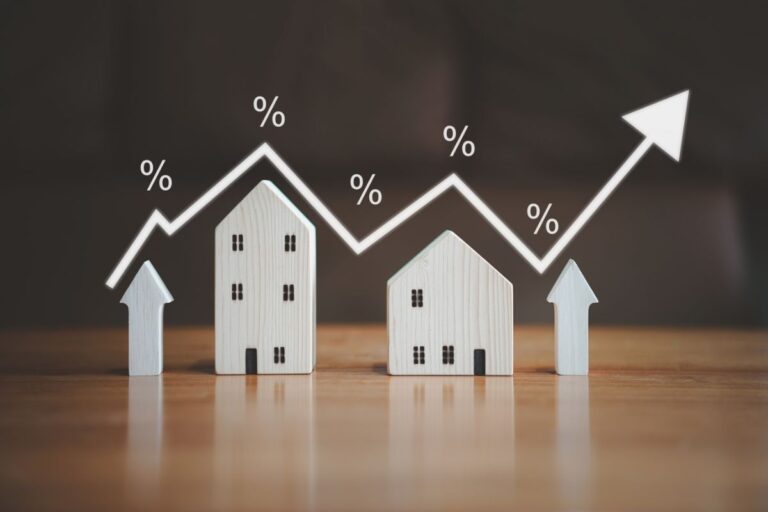
Major purchases such as homes, vehicles, and home renovations are often delayed. People are waiting for better prices, lower interest rates, or improved financial conditions. In many cases, the decision is not about desire but affordability. The result is a growing list of postponed life plans.
Uncertainty Makes Timing Hard
Economic uncertainty makes it difficult to decide when to move forward with big spending. Prices can change quickly, and interest rates add another layer of unpredictability. Many households feel unsure about committing to long-term financial decisions. This hesitation leads to ongoing delays.
Savings Pressure and Trade-offs
Building enough savings for large purchases has become more challenging. Rising everyday costs make it harder to set aside money consistently. When savings do grow, they are often redirected to emergencies or essential needs. This leaves fewer resources available for planned goals.
Psychological Weight of Waiting
Constantly postponing major decisions can create frustration and disappointment. People may feel stuck watching life plans remain on hold. The idea of “waiting for the right time” becomes emotionally tiring. Over time, this can lead to a sense of financial stagnation.
A New Normal of Delayed Plans
For many households, delaying big purchases is becoming a long-term pattern rather than a short-term response. Financial caution is replacing faster decision-making. While this approach helps avoid risk, it also slows down major life milestones. The phrase “now is not the right time” has become a common reflection of today’s financial reality.