Rent Is Rising Faster Than Wages in Many Cities, and Tenants Say “It Feels Impossible to Get Ahead Anymore”
For renters across the country, the gap between income and housing costs is becoming harder to ignore.
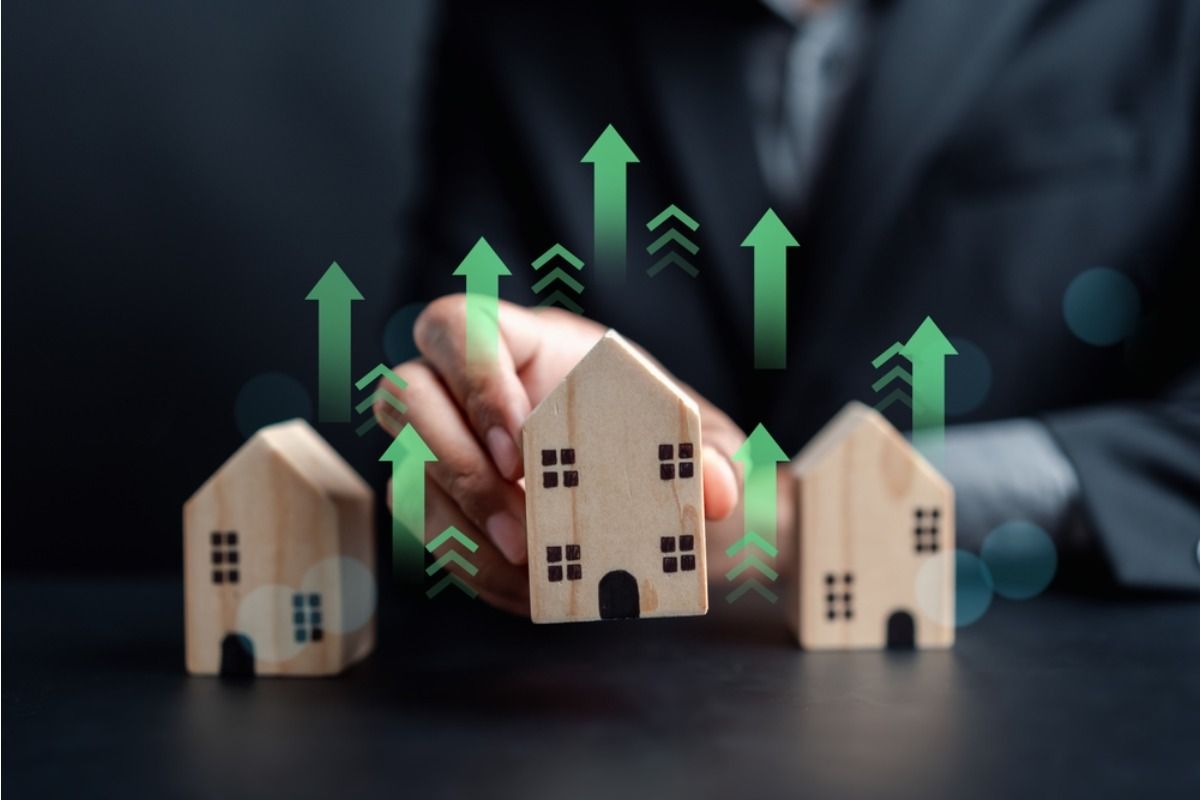
In many cities, rent prices continue to climb at a pace that outstrips wage growth, leaving tenants with fewer options and less flexibility. What was once considered a temporary strain has become a long term reality for millions.
“It feels impossible to get ahead anymore,” one renter said. “Every time I think I’m catching up, my rent goes up again.”
This pattern is showing up in both large urban centers and smaller cities. While some markets have seen slight stabilization, many renters are still facing higher renewal rates, increased competition, and limited availability.
At the same time, wage growth has not kept pace in a way that offsets these increases. This creates a situation where a larger share of income is being devoted to housing, leaving less room for other essentials.
Financial experts often recommend that housing costs stay below a certain percentage of income, but for many renters, that guideline is no longer realistic.
Some households are now spending well over a third of their income on rent alone. When utilities, insurance, and other related costs are added, the total can climb even higher.
This pressure is leading to difficult choices.
Some renters are downsizing, moving further away from work, or taking on roommates to reduce costs. Others are delaying major life decisions, such as starting a family or buying a home, because housing feels out of reach.
There is also a growing sense of instability. Lease renewals bring uncertainty, and even long term tenants can face sudden increases that force them to relocate.
“It’s not just the price,” one tenant explained. “It’s the feeling that nothing is secure.”
Developers continue to build new housing in some areas, but supply has not consistently kept up with demand. In addition, higher interest rates have made it more expensive to finance new construction, which can slow the pace of new projects.
This creates a cycle where limited supply contributes to higher prices, which in turn makes it harder for renters to transition into homeownership.
For many, renting is no longer seen as a stepping stone but as a permanent situation.
There are also regional differences, with some cities experiencing sharper increases than others. However, the overall trend points to a broader issue that affects a wide range of households.
Government and policy discussions continue around solutions, including rent control measures, housing incentives, and affordability programs. But these efforts often take time to implement and may not provide immediate relief.
In the meantime, renters are adjusting their expectations and their budgets.
Some are cutting back in other areas to keep up with housing costs. Others are looking for ways to increase income, whether through additional work or career changes.
But even with these efforts, the gap remains.
“It feels like the finish line keeps moving,” one renter said. “No matter what I do, I can’t catch up.”