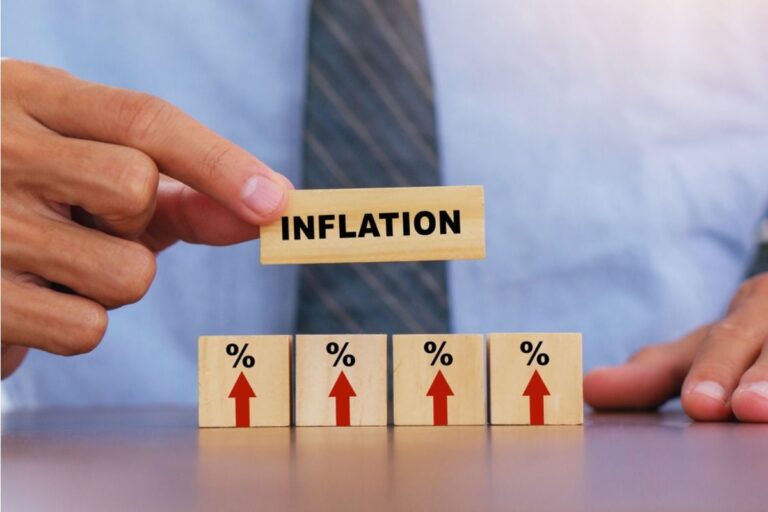

Property Taxes Are Jumping in Many Areas, and Homeowners Are Saying “My Payment Went Up and Nothing Changed”
For many homeowners, the biggest financial shock this year hasn’t come from groceries, gas, or even interest rates.
It’s coming from something they don’t shop for, don’t negotiate, and often don’t see coming until it’s too late.
Property taxes.
Across multiple regions, homeowners are opening letters or checking their mortgage statements and discovering that their monthly payments have quietly increased, sometimes by hundreds of dollars.
And what’s catching people off guard is that nothing about their home has changed.
Same house. Same job. Same budget.
But a very different bill.
“My mortgage went up and I thought there was a mistake,” one homeowner shared. “Then I realized it was taxes. I didn’t even know they could change this much.”
Property taxes are typically based on assessed home values and local government budgets. As home prices surged in recent years, many municipalities are now reassessing properties at higher values.
That means even if someone hasn’t bought or sold anything, their home may now be considered more valuable on paper, and taxed accordingly.
At the same time, local governments are facing rising costs of their own, from infrastructure to public services, which can lead to higher tax rates or adjustments.
The result is a double impact.
Higher valuations plus higher rates equals a significantly larger bill.
And for homeowners with escrow accounts, this doesn’t show up as a single annual payment. It shows up as a higher monthly mortgage.
That’s where the shock hits hardest.
“I budgeted based on my mortgage,” one person explained. “Now it’s more every month and I didn’t plan for it.”
For families already managing tight finances, that increase can ripple through everything else.
A $200 or $300 monthly jump may not sound extreme on its own, but when combined with rising insurance costs, utilities, and everyday expenses, it can push a previously manageable budget into strain.
Some homeowners are now finding themselves in a position they didn’t expect.
They’re not behind. They’re not overspending.
But they’re suddenly stretched.
And unlike other expenses, property taxes aren’t something that can be reduced with lifestyle changes.
You can cut back on dining out. You can cancel subscriptions. You can shop differently.
But you can’t opt out of property taxes.
That lack of control is what’s driving frustration.
“It feels like there’s nothing I can do about it,” one homeowner said. “I’m just stuck paying more.”
Another complication is that many people don’t fully understand how their property taxes are calculated or when reassessments happen.
Notices may arrive once a year, but the financial impact can show up months later through escrow adjustments.
That delay makes it harder to connect the cause and effect.
It also makes it harder to prepare.
In some cases, homeowners are seeing what’s known as an escrow shortage. If the previous year’s taxes were underestimated, the lender adjusts the monthly payment not only to cover the new higher tax amount, but also to make up for the shortfall.
That can create a sudden spike that feels even larger.
“My payment didn’t just go up,” one person said. “It jumped.”
For new homeowners, the issue can be even more surprising.
Many buyers base affordability on their initial mortgage estimate, not realizing that property taxes can increase significantly after purchase, especially if the home was reassessed at a higher value.
That means the first year may feel manageable, but the second year tells a different story.
And now, more homeowners are questioning what “affordable” really means.
Because it’s not just about the purchase price anymore.
It’s about the ongoing costs that can change without warning.
Some are appealing their property assessments, which can sometimes reduce the taxable value if errors are found. Others are setting aside additional funds or adjusting their budgets to absorb the increase.
But for many, those options are limited.
Especially when multiple expenses are rising at the same time.
What’s emerging is a broader shift in how people experience homeownership.
It’s no longer just about stability or building equity.
For some, it’s becoming another source of financial uncertainty.
“I thought owning a home would make things more predictable,” one homeowner said. “But it feels like the opposite now.”
And that sentiment is becoming more common.
Because while property taxes have always existed, the speed and size of recent increases are what’s catching people off guard.
And for households already navigating a higher cost of living, even one unexpected change can have a lasting impact.