More Americans Are Falling Behind on Bills, and Many Admit “I’m Not Missing Payments, I’m Just Delaying Them”
“I am not missing payments, I am just delaying them.” That blunt confession has become a common line at kitchen tables across the country. People are finding temporary ways to keep the lights on and the kids fed, but the pause button on bills is creating a slow-burning crisis. What looks like a short-term fix is creating longer-term financial pain for households who already felt squeezed by rising costs.
A growing habit of postponing bills
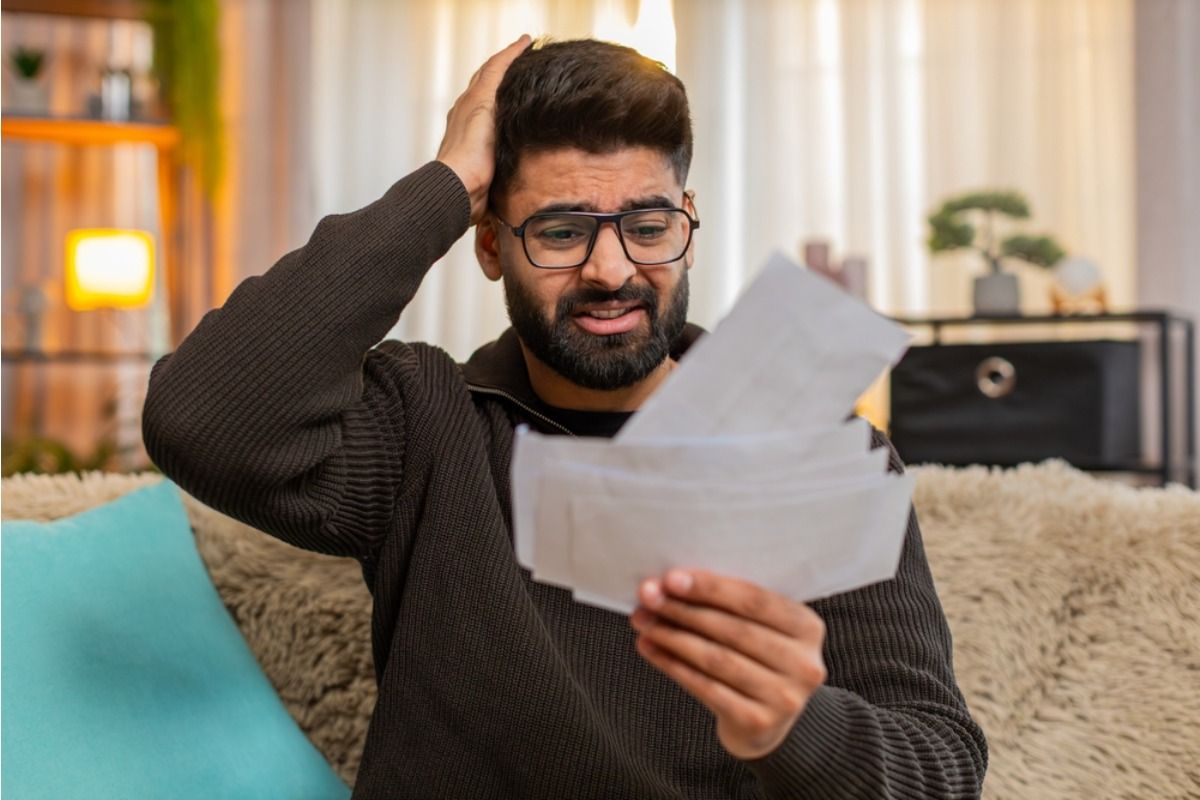
For many Americans, delaying payments is not an act of denial, it is a strategy. When paychecks do not stretch to cover everything, people triage: mortgage or rent, then utilities, then credit card or medical bills. Delaying one bill to meet another is how families survive the week or month, but it is also how balances, fees, and late notices stack up into a mountain of stress.
This practice is distinct from outright defaults. People who delay are often still in contact with their creditors, negotiating short-term leniency or making partial payments. The language matters because it reflects intent. Saying “I am delaying” acknowledges a plan to catch up, but it also normalizes a behavior that can erode credit and financial stability over time.
Who is most likely to delay payments and why
The people who are most likely to delay payments are not a single demographic. They include hourly workers with unpredictable schedules, parents balancing childcare and job demands, retirees on fixed incomes facing inflation, and small-business owners juggling irregular revenue. What connects them is a mismatch between income and recurring obligations.
Several pressures feed the decision to delay. Higher rent and grocery prices mean less wiggle room. Interest rates that rose from low levels have made borrowing more expensive for those who rely on credit cards. Medical expenses remain a major shock for households without robust safety nets. Even when earnings rise, they may not keep pace with costs that have compounded over years.
The consequences extend beyond late notices
Delaying payments has real consequences that ripple outward. Credit card balances that are carried month to month can accumulate interest, making the eventual catch-up payment even larger. Utilities that are repeatedly delayed can lead to service interruptions, which can harm employment prospects and daily routines. Medical debts in collections can affect the ability to place security deposits or qualify for loans.
There is also an emotional toll. The mental load of juggling bills wears on relationships and productivity. People report feeling shame and frustration that often keeps them from seeking help until the problem becomes acute. What begins as a temporary maneuver can morph into chronic instability that alters life decisions: delaying a move, postponing retirement contributions, or taking on additional work that worsens health or family life.
How lenders, utilities, and employers are responding
Some lenders and utilities have adapted with more flexible options, such as hardship plans, payment arrangements, and temporary freezes. However, these measures vary widely by company, state, and the specifics of a customer’s situation. For those whose delays are visible on credit reports, the options can shrink as interest rates and penalties accrue.
Employers are part of the picture. Companies offering emergency loans, paycheck advances, or financial wellness resources can help employees avoid the cycle of delays. Yet access to these benefits is uneven, and in many workplaces the stigma of financial difficulty prevents workers from using assistance.
Policy responses exist too, but are often reactive. Emergency rental assistance programs have helped some households stay housed, and consumer protections can limit abusive debt collection tactics. Still, these measures are rarely broad enough to address the underlying mismatch between rising living costs and stagnant real wages.
Practical steps people are taking and what actually helps
People confronting delayed payments are trying creative and sometimes uncomfortable fixes. They negotiate payment plans, shift balances to lower-interest products, and temporarily cut discretionary spending. Some dip into savings, sell belongings, or ask family for help. Others pick up extra shifts or side gigs, trading time for short-term liquidity. These options can work in the immediate term but often carry trade-offs.
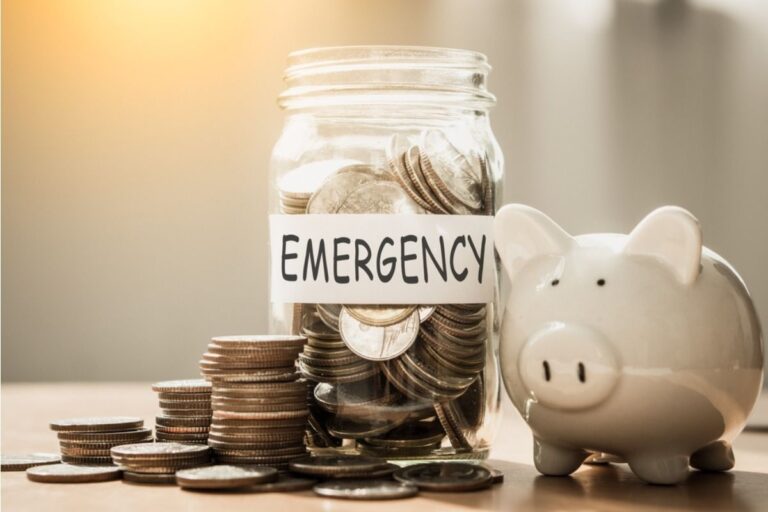
What tends to be most effective is a combination of honest assessment and targeted action. Setting a realistic budget that prioritizes essential bills, communicating early with creditors, and seeking help from nonprofit credit counselors can reduce the emotional burden and avoid costly mistakes. Where possible, building a small emergency buffer, even a few hundred dollars, reduces the need to delay in the first place.
Takeaway: delaying payments is a symptom, not a solution
Delaying payments is a coping tool, not a cure. It can help families get through a tough month, but it also accumulates costs, stress, and damaged options for the future. The fact that so many people see delay as their only choice is a signal about the broader economy: wages and safety nets are not keeping pace with the costs that define daily life.
For individuals, the most immediate steps are practical: prioritize essentials, communicate with creditors, and seek free financial counseling before small delays become big problems. For employers and policymakers, the challenge is to make short-term relief and long-term stability more available, whether through workplace benefits, affordable housing strategies, or payment protections that do not punish people who are trying to catch up.
People who say, “I am not missing payments, I am just delaying them,” are often managing a fragile balance between dignity and desperation. Recognizing delay as a warning sign gives families and communities a chance to act earlier and avoid the cascade of consequences that follows too many postponed bills.