Millions of Americans Are Cutting Back on Food to Afford Health Insurance, and Some Say “I’m Paying More to Be Covered and Still Afraid to Use It”
For years, health insurance was sold to Americans as protection. Even if everything else felt expensive, the idea was that at least coverage would keep one serious illness or one trip to the hospital from becoming a financial disaster. But for many people in 2026, that promise is starting to feel painfully out of reach.
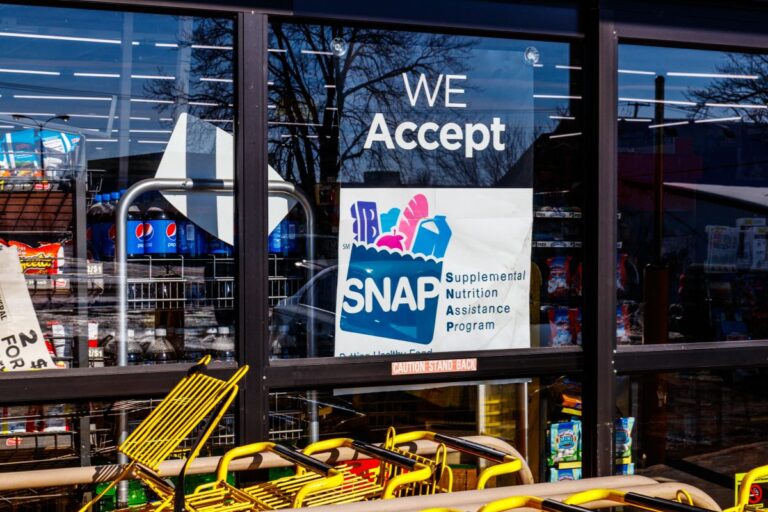
A new poll highlighted by The Associated Press found that many Americans who buy coverage through the Affordable Care Act marketplace are making real sacrifices just to stay insured. More than half of respondents said they are cutting back on necessities such as food in order to afford their health coverage. Even more striking, many people who are still paying for insurance say they are afraid to actually use it because of what care could cost on top of the monthly premium.
That is what makes this story hit so hard. This is not just about the uninsured. It is about people doing what they were told to do, signing up, paying every month, trying to be responsible, and still feeling financially exposed.
The pressure appears to be tied in large part to the expiration of enhanced tax credits that had helped reduce Affordable Care Act premiums in recent years. Reuters previously reported that average premium costs for subsidized enrollees were expected to rise sharply for 2026 after those credits expired. The AP report now shows what that looks like in real life: households cutting groceries, switching plans, rationing care, and in some cases dropping coverage entirely.
That is where the emotional weight of this story comes from. When people say they are paying more and still scared to go to the doctor, they are describing something bigger than a budget problem. They are describing a system that feels unstable even when they are technically insured.
For many families, insurance is no longer just another bill. It is becoming the bill that crowds out everything else. If rent is already high, groceries are still elevated, and household costs have not really come back down, then a higher premium does not exist in isolation. It competes with gas, school expenses, utilities, and every other part of daily life. The result is that health coverage can start to feel less like security and more like another financial risk.
That creates a vicious cycle. People pay to stay covered, then avoid using the coverage because they fear deductibles, copays, or surprise bills. They put off appointments, skip prescriptions, or hope symptoms go away on their own. In the short term, that can look like saving money. In the long term, it can make health problems worse and more expensive.
The AP report found that many marketplace enrollees are worried not just about emergency care, but about the cost of routine doctor visits and prescription drugs. That matters because a system becomes especially fragile when even basic care starts to feel unaffordable. It is one thing to fear a giant hospital bill. It is another thing when everyday treatment also starts to feel like something you need to think twice about.
The timing also makes this especially difficult. Many Americans are already dealing with lingering inflation fatigue. Wages may be up in some places, but so are insurance bills, housing costs, and everyday essentials. People who thought they were finally catching up can suddenly find themselves back in triage mode, deciding which bill matters most this month.
And that is what turns this from a policy story into a human one. When someone says they are cutting back on food to afford coverage, that is not an abstract political talking point. That is a household choice. It is the kind of decision that changes what is in the fridge, what gets postponed, and how safe a family feels from one month to the next.
There is also a quiet psychological toll in all of this. Insurance is supposed to reduce anxiety. Yet for a lot of people, paying for it is now a source of anxiety itself. They worry about the premium. They worry about whether the doctor they need is covered. They worry about what happens if they need emergency care. They worry about whether one diagnosis could still blow up their budget anyway.
That is a brutal position to be in, especially for people who are not looking for luxury, but for stability. Many are not asking for perfect coverage. They just want something realistic, something they can afford without sacrificing other necessities, and something that does not leave them afraid every time they need care.
The broader danger is that this kind of pressure can slowly reshape how Americans think about insurance altogether. When coverage feels expensive, confusing, and unreliable, people can start to question whether it is worth it. Some may downgrade to plans with weaker protection. Some may go uninsured. Others may keep paying, but mentally treat the policy as something they hope never to touch.
That is not what a functioning safety net is supposed to look like.
For now, the numbers tell a simple but troubling story. Many Americans are still trying to hold onto coverage, but the cost of doing so is squeezing other parts of life. And for some, the fear is no longer just about getting sick. It is about paying for insurance and still not feeling safe.
Sources: Associated Press, Reuters