Many Americans Are Skipping Vacations and Non-Essential Spending to Stay Afloat
For many Americans, financial pressures have made leisure and discretionary spending a luxury rather than a routine part of life. Vacations, dining out, and non-essential purchases are often the first expenses to be cut when budgets are tight. Even households with steady incomes are prioritizing bills, debt payments, and essentials, leaving little room for enjoyment or relaxation.
The Rising Cost of Living
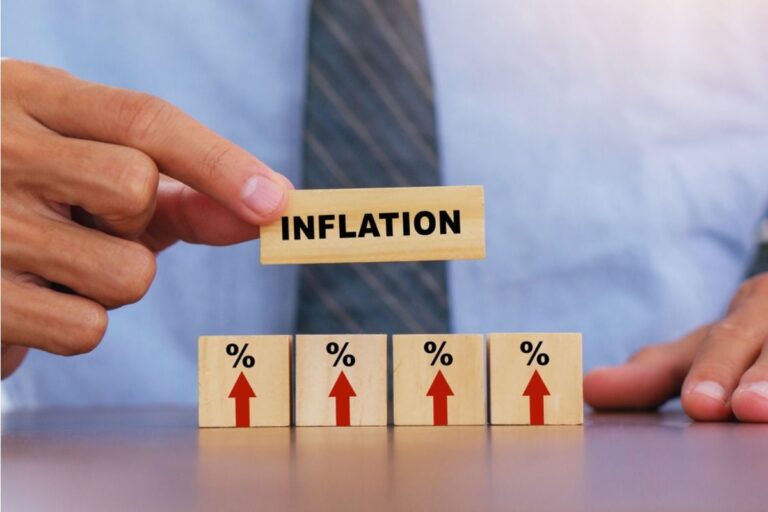
Groceries, rent, utilities, and healthcare continue to rise, consuming a larger share of household income. Even modest increases in these areas can force families to tighten other areas of spending. Non-essential purchases, from entertainment to home upgrades, are often the first to go. Families are making difficult choices just to maintain financial stability.
Debt Obligations Take Priority
Student loans, credit card payments, and mortgages often take precedence over discretionary spending. Many Americans find that keeping up with debt obligations requires redirecting money that might otherwise go toward vacations or personal indulgences. Over time, this prioritization can make leisure feel out of reach.
Delaying or Skipping Vacations
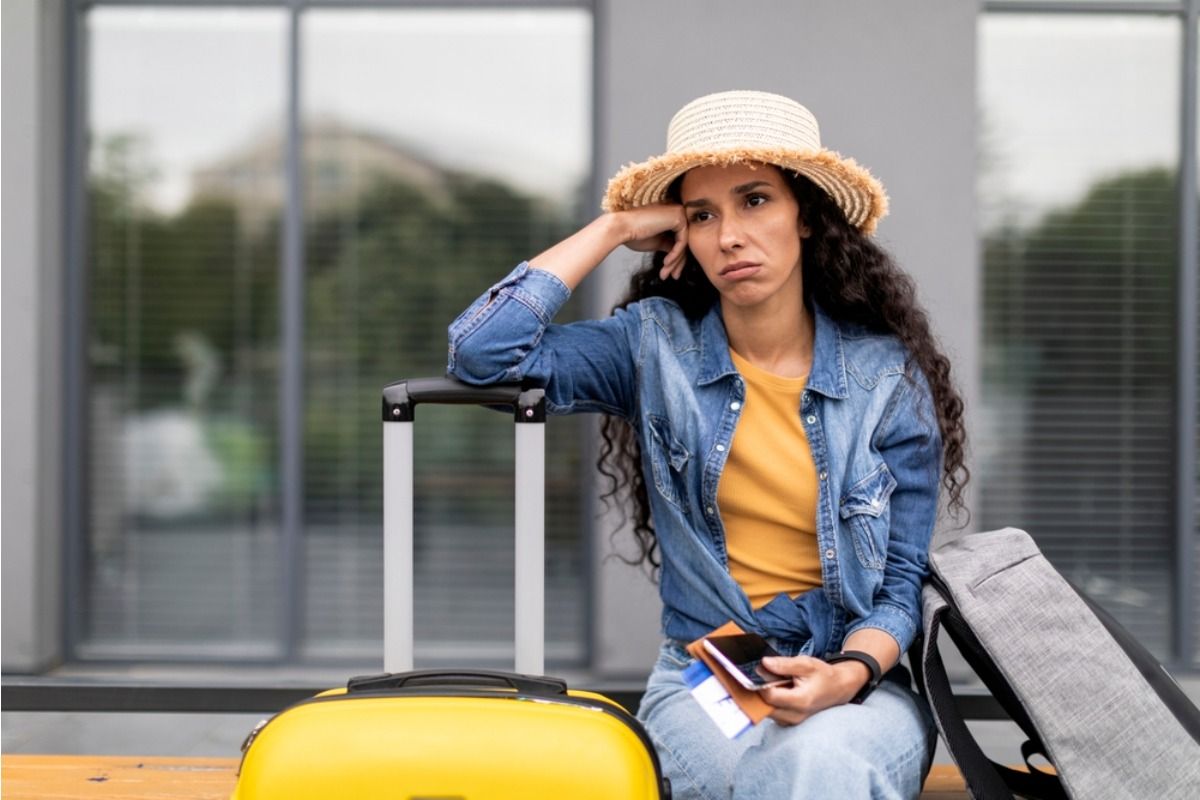
Travel costs—including flights, lodging, and activities—can be prohibitively expensive. As a result, many families are postponing vacations indefinitely. Even “staycations” can feel like a stretch when budgets are tight. The loss of these breaks reduces opportunities for relaxation and quality time, adding emotional strain.
Impact on Mental and Emotional Well-Being
Cutting back on non-essential spending can have a psychological impact. Experiences that provide joy, social connection, or mental rest are sacrificed, which can increase stress and burnout. Financial pressure becomes intertwined with emotional strain, reinforcing a sense of limitation despite steady work.
Creative Alternatives
Some families seek lower-cost alternatives, such as local trips, free activities, or flexible work arrangements to reduce expenses. Budgeting for small pleasures can help maintain a sense of balance. Even small breaks or inexpensive experiences can provide relief from financial stress.
Long-Term Consequences
Repeatedly skipping vacations and discretionary spending may protect short-term finances but can have long-term effects. Families may miss opportunities for rest, enrichment, and personal growth. Over time, the lack of balance can affect relationships, health, and overall life satisfaction.
Financial pressures are forcing many Americans to prioritize survival over enjoyment. While staying afloat requires sacrifices, finding small ways to incorporate leisure and personal time is crucial for maintaining both mental health and family well-being.