
How Everyday Expenses Are Slowly Pushing Americans Into Credit Card Debt
Credit card debt rarely begins with one large purchase. More often, it builds quietly through everyday spending that feels necessary in the moment. Groceries, gas, utilities, and small emergencies start to add up when income cannot fully keep pace. Over time, what seems manageable turns into a growing balance that becomes harder to control.
Small Purchases Add Up Quickly
Daily expenses may seem minor on their own, but repeated use of credit cards for essentials creates a steady buildup of debt. A few grocery trips or fuel fill ups on credit can go unnoticed at first. As these charges accumulate, the total balance grows faster than expected. Without immediate repayment, small amounts turn into larger financial obligations.
Paychecks Are Stretched Thin
Many households find that their income barely covers fixed expenses like rent and bills. When unexpected costs arise, credit cards become a fallback option. Instead of saving for emergencies, people rely on borrowing to stay afloat. This pattern slowly shifts everyday spending from cash to credit, increasing long term debt.
Interest Makes It Harder to Catch Up
Once a balance is carried, interest begins to compound. Even if new spending slows, existing debt continues to grow. Monthly payments may cover only a portion of the total, leaving much of the balance intact. Over time, interest charges make it increasingly difficult to pay off what was originally borrowed.
Minimum Payments Create a Cycle
Paying only the minimum due can feel manageable, but it often keeps people in debt longer. Most of the payment goes toward interest rather than reducing the principal. This creates a cycle where balances decline very slowly. Meanwhile, new charges can push totals even higher.
Unexpected Costs Accelerate the Problem
Car repairs, medical bills, or home expenses can force people to rely more heavily on credit. These sudden costs often come at times when budgets are already tight. Adding large charges to existing balances increases financial pressure. What started as small, everyday spending becomes a more serious burden.
Emotional Stress Builds Over Time
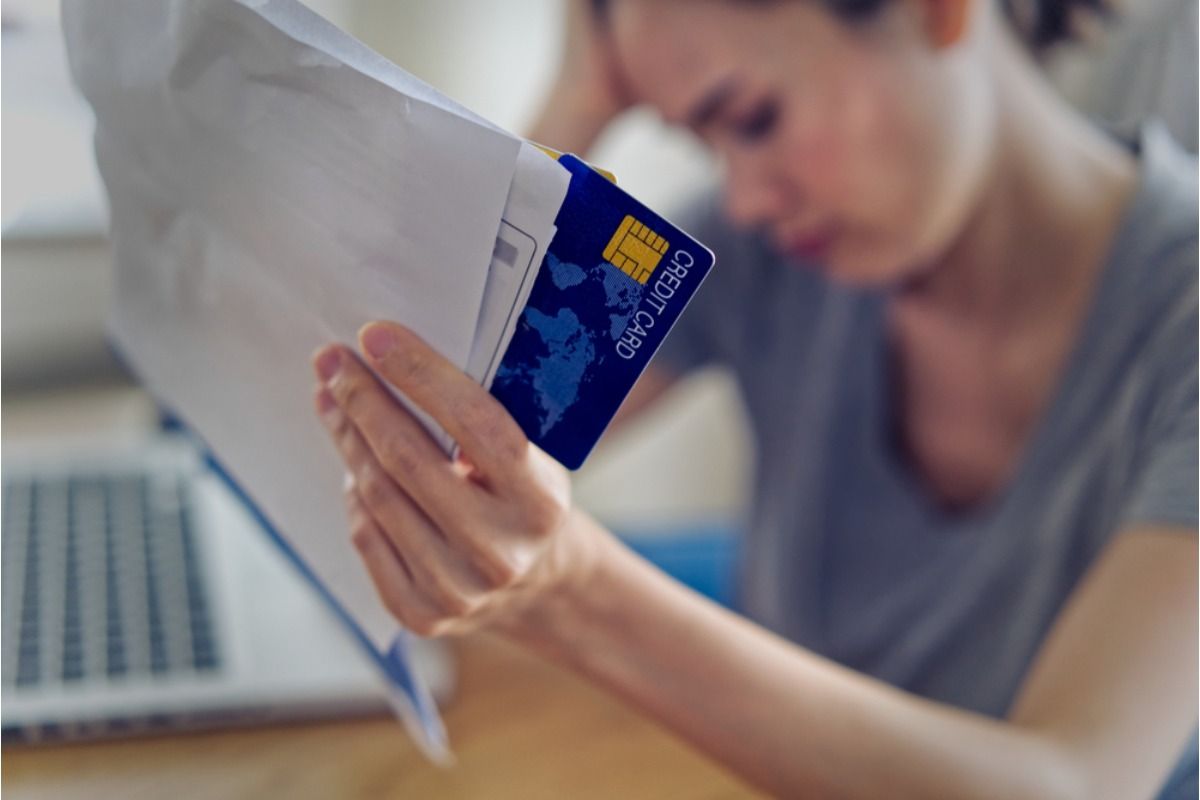
Growing credit card debt can lead to anxiety and constant financial worry. People may feel stuck, unsure how to reduce balances while managing daily needs. This stress can affect decision making and overall well being. The longer debt persists, the heavier the emotional toll becomes.
Everyday expenses may seem harmless in isolation, but they can quietly push people toward long term debt when paid with credit. Without careful planning and consistent repayment, small financial gaps can turn into ongoing challenges. Recognizing these patterns is the first step toward regaining control.