
Home Maintenance Costs Are Catching Owners Off Guard, and Many Say “One Repair Turns Into Three”
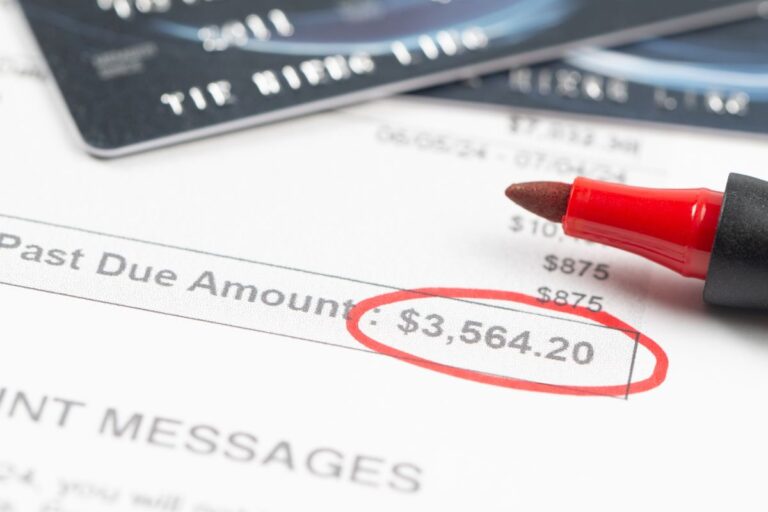
When a homeowner in her 50s called a plumber for a clogged sink, she expected a 30 minute fix and a small bill. Instead she watched the plumber pull back the cabinet and discover rotted subflooring, which revealed a mold patch and a faulty waste pipe. “One repair turns into three,” she said while tallying the added charges and the days of missed work. Stories like hers are multiplying as homeowners confront a reality many did not budget for: home maintenance is not a predictable line item. It is a pressure point that can cascade into lost wages, mounting credit card balances, and postponed retirement plans.
The cascade effect homeowners describe
Home repairs often arrive as one problem that hides others. A leaky roof exposes insulation and framing, which can mean structural repairs and pest remediation. A furnace replacement can reveal outdated ductwork. The initial visible issue is rarely the only issue. For many owners the phrase “one repair turns into three” is shorthand for a chain reaction: a small leak uncovers mold, which demands remediation and drives up the cost by hundreds or thousands of dollars.
Part of the cascade is physical. Houses are systems. Plumbing, electrical, roofing, and foundations interact. A fix in one area can stress or expose failures in another. But the cascade is also financial. Homeowners frequently have small emergency funds. When repairs exceed that cushion, they rely on credit, delay other maintenance, or borrow from retirement accounts. That creates longer term financial consequences that are not obvious at the moment of the first bill.
Why costs feel out of step with expectations
Several broad forces are widening the gap between what homeowners expect to pay and what they end up paying. First, construction costs have broadly risen in recent years. Materials and skilled labor are both harder to source and more expensive in many markets. A simple part or a single hour of a licensed contractor can now carry a higher price tag than it did five years ago.
Second, the average age of the housing stock in many parts of the country means older systems are reaching the end of their useful life. When a home has deferred maintenance, the odds increase that a repair will uncover additional issues. Third, regulatory and code changes mean that when one element is replaced, adjacent components often must be brought up to current standards. That can change a small replacement into a larger renovation.
Finally, homeowners have less spare time to do their own repairs. With two-income households and tighter schedules, more people hire professionals. The convenience comes with a cost and with less flexibility to stage repairs over time.
The human toll: stress, work disruption, and digging into savings
Financial shock from repairs is not just a line on a statement. People report missing work to meet contractors, paying for temporary housing, and juggling childcare. For someone already balancing a mortgage, student loans, and everyday bills, an unexpected repair can shove them into short-term borrowing. Credit cards, personal loans, and paycheck advances all become stopgap options. That can erode long-term goals like saving for retirement or paying down a mortgage early.
The stress is real and often compounded by uncertainty. Homeowners describe the emotional whiplash of thinking a problem is solved only to receive a second or third estimate from different trades. That uncertainty makes it harder to plan and to negotiate, and it increases the likelihood of rushed decisions that cost more later.
How people are coping and the tradeoffs they make
There is no single solution, but homeowners are adopting a mix of strategies. Some keep a dedicated home repair fund, building it slowly through automatic transfers. Others prioritize a list of preventive maintenance tasks to reduce the odds of surprises. For example, regular gutter cleaning, roof inspections, and servicing HVAC systems can prevent small problems from becoming emergencies.
More people are getting multiple estimates and asking for line-item breakdowns. That helps identify which parts of a job are necessary and which are optional upgrades. A few homeowners turn to community forums and social media for referrals and price checks. Some learn to DIY smaller tasks to save money and to better understand their homes.
At the same time, tradeoffs happen. Some owners defer nonessential projects like landscaping or cosmetic updates to preserve cash for critical repairs. Others accept incremental fixes that address immediate danger but leave the underlying issue unresolved, which can lead to bigger bills later.
What homeowners and policymakers can do
For homeowners, the first step is realistic budgeting. Treat home maintenance like a regular monthly bill rather than an occasional surprise. A small percentage of a home value saved each year can make a big difference when something goes wrong. Homeowners should also keep clear records on maintenance and upgrades; that reduces surprises and helps contractors provide accurate estimates.
Insurance review is also important. Not all damage is covered by standard policies. Flood, mold, and long-term wear are often excluded or limited. Understanding coverage limits and deductibles before a crisis arises avoids unpleasant surprises after a claim.
On the policy side, there are conversations to be had about supporting aging housing stock. Incentive programs for repairs such as tax credits, low-interest loans, or grants targeted to low- and moderate-income homeowners could reduce the need for emergency borrowing. Programs that support workforce training for skilled trades can also put downward pressure on labor costs over time.
Takeaway
Homeownership offers stability and investment potential, but it also comes with an unpredictable maintenance ledger. The common refrain that “one repair turns into three” captures both the physical reality of interconnected systems and the financial reality that a single event can stretch household budgets. Practical steps can reduce the odds of cascading failures. Save ahead, inspect regularly, get multiple estimates, and understand insurance. For households living paycheck to paycheck, policy interventions that improve access to affordable repairs could make the difference between a manageable bill and a debt spiral.
At the end of the day, the lesson many homeowners learn the hard way is that preparedness is both practical and emotional. A small, consistent investment in maintenance hedges not only against damage, but also against the stress of sudden financial shocks.