Former Prince Andrew Arrested in the U.K. Over Epstein Ties: What We Know So Far
The Arrest and the Allegation
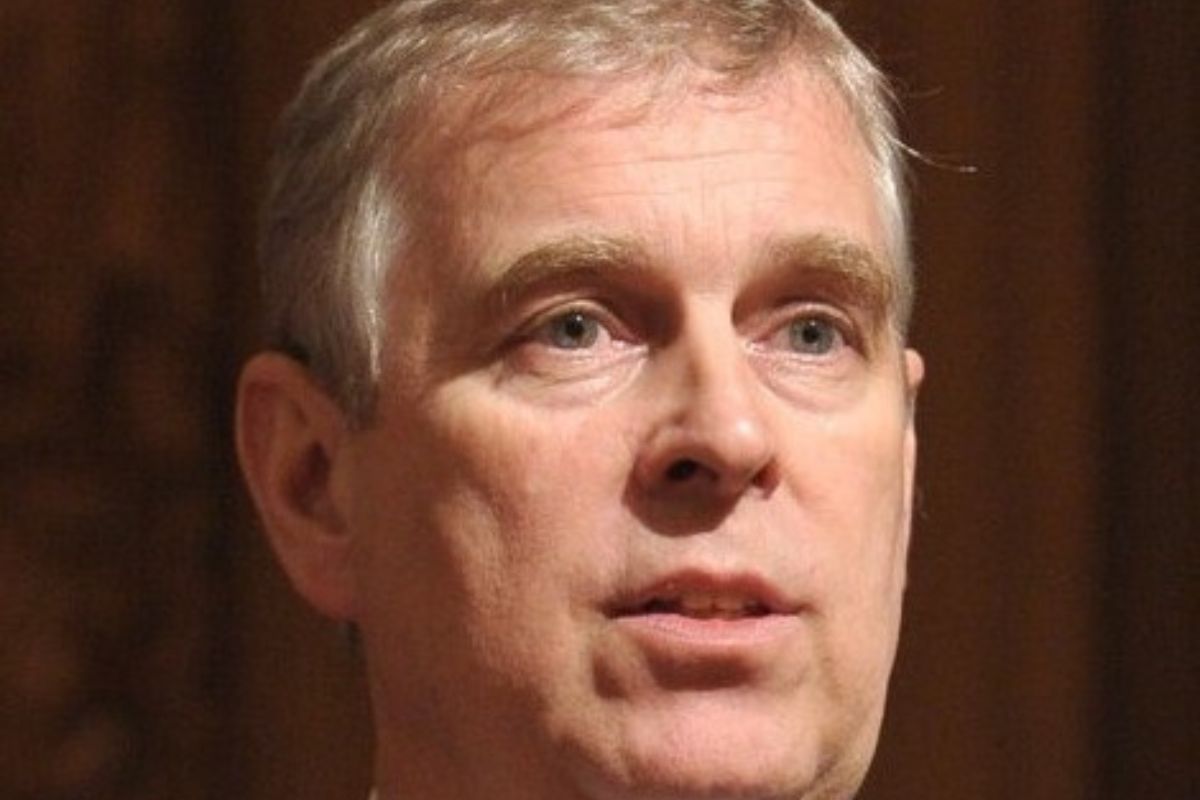
Former Prince Andrew, now known as Andrew Mountbatten-Windsor, was arrested in the United Kingdom on suspicion of misconduct in public office related to his past association with Jeffrey Epstein, according to multiple major news outlets, including The New York Times and The Globe and Mail.
He was reportedly detained and later seen leaving police custody on Thursday evening. Authorities are investigating whether actions taken during his time as a public official, including his former role as the U.K.’s trade envoy, may constitute misconduct connected to his relationship with Epstein.
At this stage, he has been arrested on suspicion. No conviction has been announced.
Sources:
The New York Times (Live Updates)
The Globe and Mail
Toronto Star
What “Misconduct in Public Office” Means
In the United Kingdom, misconduct in public office is a serious criminal offense that applies when a public official is alleged to have abused their position in a way that amounts to a breach of public trust.
The charge does not automatically imply involvement in Epstein’s criminal acts. Instead, investigators are examining whether Andrew’s actions, while serving in an official capacity, may have violated legal standards or ethical obligations connected to that relationship.
Legal experts note that arrests on suspicion are part of investigative procedure and do not represent a finding of guilt.
Why This Is Historically Significant
This appears to be the first time in modern history that a senior member of the British royal family has been arrested in connection with a criminal investigation.
Prince Andrew stepped back from royal duties in 2019 following public backlash over his ties to Epstein. In 2022, he settled a civil lawsuit filed by Virginia Giuffre in the United States without admitting liability.
This arrest marks a new phase, shifting from civil litigation and public scrutiny to criminal investigation.
The Broader Context: Epstein’s Global Fallout
Jeffrey Epstein’s 2019 arrest and subsequent death triggered investigations, lawsuits, and political fallout across multiple countries.
Andrew’s relationship with Epstein had been under scrutiny for years, particularly following a widely criticized 2019 BBC interview in which he addressed the association.
Until now, legal consequences for Andrew had been limited to civil proceedings and the loss of royal titles and patronages.
An arrest, even on suspicion, represents a major escalation.
What Happens Next
In the U.K., after an arrest on suspicion:
• Authorities may release the individual pending further investigation
• Police can continue evidence review
• Charges may or may not follow
• The Crown Prosecution Service ultimately decides whether to formally charge
At this stage, it is unclear whether formal charges will be filed.
Investigations of this scale often take weeks or months to develop.
What This Means for the Royal Family
The arrest adds renewed pressure on Buckingham Palace and the monarchy as an institution.
King Charles III has already distanced the royal family from Andrew in recent years. This development may intensify calls for further transparency and reform.
Public reaction is likely to extend beyond the U.K., given the international attention surrounding Epstein’s case.
A Developing Story
This remains a developing situation. As additional details emerge, including whether formal charges are filed, the legal and political implications may become clearer.
For now, the confirmed facts are:
Andrew Mountbatten-Windsor has been arrested on suspicion of misconduct in public office related to his ties to Jeffrey Epstein.
The investigation is ongoing.