Drivers Say Rising Gas Prices Are Canceling Out Their Paychecks and Many Admit “I’m Working Just to Fill My Tank”
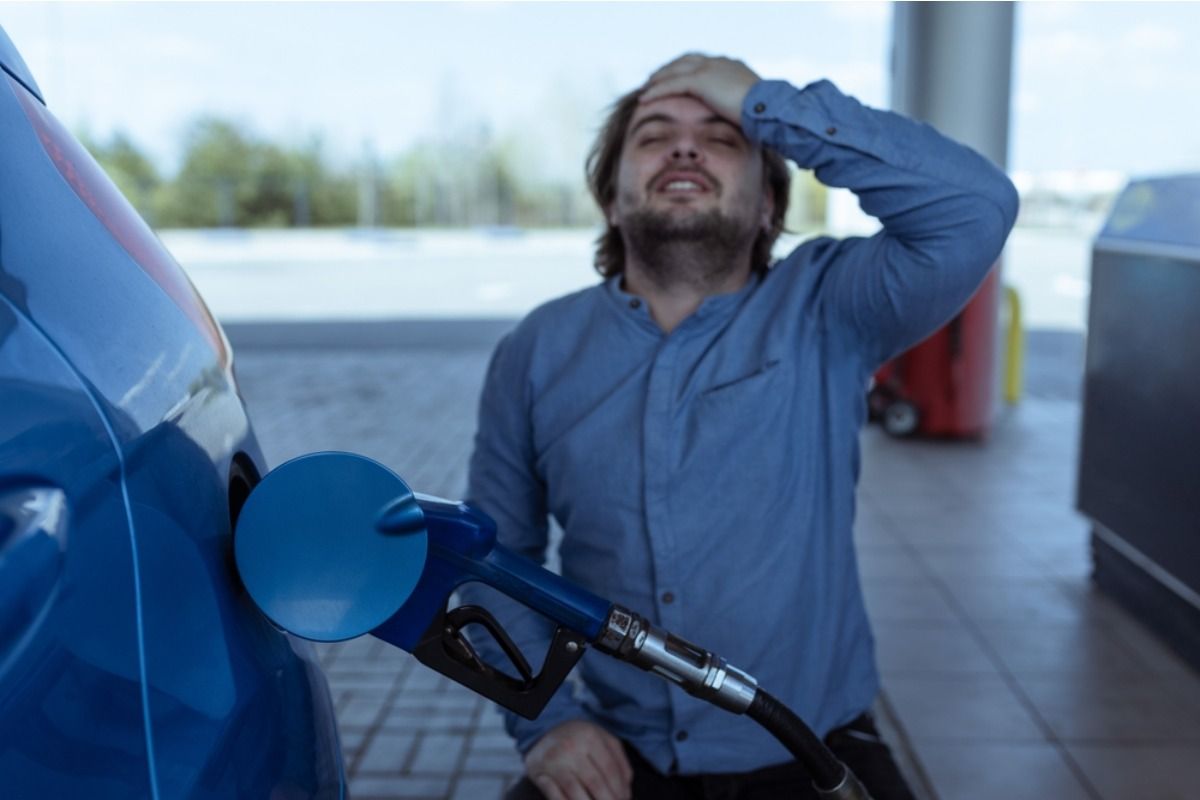
When drivers climb out of their cars after filling up and say, “I feel like I just paid my rent,” they mean it. Across suburbs and city centers, commuters, delivery drivers, and long-haul truckers are reporting the same blunt calculation: rising gas prices are eating into take-home pay so aggressively that for many the weekly paycheck now arrives with a caveat. “I’m working just to fill my tank,” said one driver, a sentiment that has moved from social media posts into kitchen-table budgets and tense conversations with managers about hours and wages.
Paychecks evaporating at the pump
The experience is immediate and visceral. For people who rely on a car to get to work, rising fuel costs are not an abstract inflation number. They are a recurring expense that changes the math of every commute. A worker who used to spend a modest amount on gas now finds that a larger slice of each paycheck is earmarked for fuel before the rent is paid or utility bills hit the mailbox. The result is a squeeze that makes the nominal wage feel smaller than it is.
That squeeze is especially sharp for jobs that require driving as part of the work itself. Gig-economy drivers, delivery couriers, rideshare operators, and tradespeople all report that the cost of doing their job has jumped without a corresponding increase in pay. When pay is per ride or per drop-off, the time and distance that once justified a shift no longer cover the rapidly rising cost of gasoline. For many, the decision to work an extra hour means nothing more than filling the tank again.
Real people, real choices
Behind the phrase “filling the tank” are concrete choices that families make. Some drivers say they have started to cut other essentials to keep commuting. They skip trips to the grocery store until they can combine errands. They cancel streaming subscriptions and postpone a dental visit. Others are borrowing from credit cards or reducing the amount they contribute to emergency savings. These are not lifestyle experiments. They are tradeoffs people make to keep their jobs.
For those who share a vehicle or live in one-car households, the decision has ripple effects. One parent may take a second job to cover rising expenses while the other sacrifices hours at work to do drop-offs. In rural areas where public transportation is sparse, the calculus is even starker. People tell stories of rearranging work schedules, turning down overtime, or even quitting jobs because the commute itself became untenable.
How rising gas eats into household budgets
Gasoline is a line item that multiplies. It affects commuting costs, which then pressure childcare choices, grocery spending, and healthcare appointments. When a larger portion of pay goes to fuel, discretionary spending contracts and financial buffers shrink. That increases vulnerability to any new shock, from a surprise car repair to a medical bill.
Workers on fixed schedules and fixed wages feel the mismatch most acutely. Savings that were intended for retirement or for a cushion against layoffs are being reallocated to meet immediate needs. For younger workers or those with thin credit, the effect can be a slide deeper into debt as they cover basic costs with high-interest borrowing. For older workers, the impact may be postponing necessary maintenance on a car or selling a vehicle that has been a source of reliable mobility, with long-term consequences for employment prospects.
Short-term fixes, long-term risks
To cope, people are adopting strategies that help in the moment but create future risks. Carpooling and optimizing routes can reduce expenditure, but they are not always feasible for shift workers or those in industries that require flexible availability. Some drivers report delaying routine vehicle maintenance to save money, which can lead to costlier repairs down the road or even job loss if a vehicle breaks down.
Others accept more hours or second jobs to cover the extra expense, which can erode quality of life and increase burnout. For those who earn per trip or delivery, working more does not always translate to proportional take-home pay once fuel and time are accounted for. The net effect is a stall in household financial progress. People are less able to save for emergencies, less able to invest in education or retirement, and more likely to forgo preventive healthcare.
Wider consequences for employers and the economy
The pressure on wages and schedules is not contained to individual workers. Employers in sectors that depend on driving face higher labor costs as employees negotiate for pay that compensates for fuel expenses. Some employers are experimenting with fuel stipends or mileage reimbursements, but those measures are uneven and often inadequate. Small businesses that rely on local foot traffic can see demand fall as customers cut back on discretionary trips.
At a macro level, sustained high fuel costs can dampen consumer spending across the board, which risks a feedback loop for the broader economy. Reduced discretionary spending by millions of households weakens demand for services and products, potentially leading to layoffs in affected sectors. Infrastructure and public transit investment patterns also play into how deeply communities feel these effects. Areas with robust transit or short commutes can buffer households, while car-dependent places bear the brunt.
Takeaway: practical choices and policy considerations
For drivers feeling the pinch, immediate steps can ease the strain. Rethinking routes, consolidating errands, and exploring carpooling with coworkers are practical measures. Where feasible, negotiating with employers for flexible hours or partial telework can cut commute days. For gig workers and small-business owners, tracking fuel expenses closely and incorporating them into pricing and bids can help maintain margins.
Longer term, the situation raises questions about wage structures and public policy. Employers that depend on driving as part of the job may need to revisit compensation models to ensure wages cover the true cost of work. Local and state policymakers can consider targeted relief measures for essential workers, investments in public transit, and infrastructure that reduces dependency on single-occupancy vehicle trips. For many workers, the goal is simple: keep enough money in the bank after the weekly fill-up to pay the rest of the bills.
The simmering frustration at the pump is about more than a price per gallon. It is about the integrity of paychecks and the ability of work to deliver stability. When drivers say they are working just to fill their tanks, they are describing a deeper erosion of economic security. The immediate remedies are practical and necessary, and the longer-term fixes will require both employer action and public policy to restore the balance between work and the cost of getting to work.