
Americans Are Cutting Back on Groceries Again and Some Admit “I’m Buying Less Every Week and Still Spending More”
Checkout lanes that used to be predictable now carry a tighter, quieter tension. Shoppers are telling grocery workers and friends the same thing: “I’m buying less every week and still spending more.” That confession captures a strain on household budgets that is growing less like a temporary squeeze and more like a new normal for many Americans. From swapping brand loyalty for store brands to leaving items off the list entirely, these choices are reshaping what it means to feed a family, pay the rent, and make ends meet.
Why shoppers are trimming grocery lists
Rising grocery bills are not just a line item on a monthly statement. They become a decision loop: buy less to save, or pay more to avoid hunger and time-consuming meal prep. For many households, wages have not kept pace with the cost of essentials and the result is strategic retrenchment. Shoppers trim discretionary items like snacks and premium deli meats first. Then come staples. Some families are reducing fresh produce consumption because perishables feel riskier when every dollar counts.
Another pressure point is convenience. Meal kits and prepared foods worked for busy adults but suddenly feel like a luxury when costs go up. Transportation, childcare, and work schedules compound the strain. The net effect is shoppers attempting to engineer smaller baskets while maintaining caloric needs and juggling other rising costs such as rent, utilities, and medical bills.
How buying less can still cost more
It seems paradoxical: fewer items, larger totals. There are several reasons this happens. Price per unit often rises even when package sizes shrink. A smaller box of cereal at a higher price per ounce can leave the receipt longer and the pantry emptier. Shoppers who switch to cheaper brands sometimes find they need to buy more frequently because of lower quality or faster spoilage. Promotions and bulk discounts that once rewarded buying more are less useful for households that do not have the cash flow or storage to stockpile.
There are indirect costs too. When people cut back on groceries, some turn to fast food or convenience stores for a meal because a single ready-made sandwich or entrée can feel cheaper in the moment than buying multiple ingredients to cook. That pattern can increase per-meal spending and erode nutrition. Others resort to credit to bridge gaps, turning grocery bills into lingering debt that carries interest and stress.
The hidden toll on nutrition and household stability
Grocery belt-tightening is not only about budgets. It has real consequences for health and stability. Families skipping fresh produce or meat may unintentionally increase consumption of processed foods. Over time that shift can exacerbate chronic conditions like diabetes and hypertension, which themselves translate into higher healthcare costs and missed work.
Food choices are also linked to emotional well-being. For parents, the need to cut beloved items from a child’s plate can feel like a failure even when it is a rational budget decision. For older adults on fixed incomes, choosing between medication and groceries becomes a grim calculus. The stress of constant trade-offs can affect sleep, concentration, and job performance, making the financial squeeze self-reinforcing.
How retailers and policymakers are responding
Grocery stores are adjusting on several fronts. Some are expanding discount brands, offering loyalty programs, and promoting value packs. Others are experimenting with more visible unit pricing and clearer comparisons to build trust with price-sensitive shoppers. Still, the ability of retailers to shield customers depends on supply chains, wholesale costs, and their own margins.
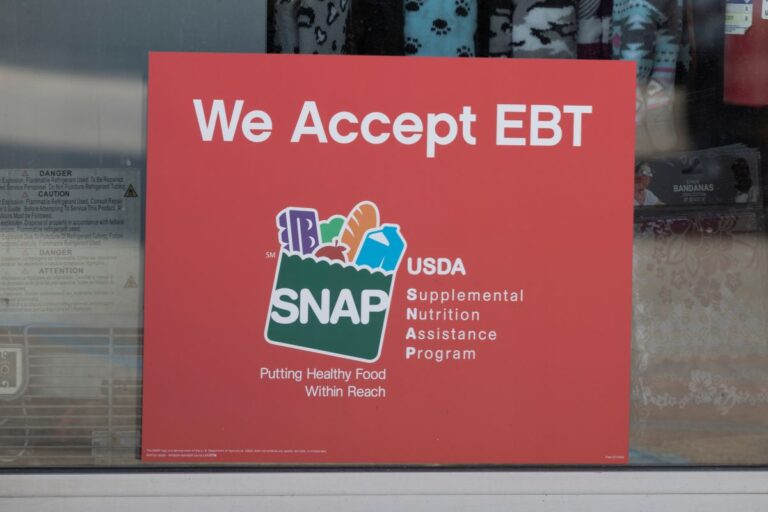
At the level of public policy, discussions are intensifying around food assistance and cost-of-living supports. Programs that address food insecurity aim to reduce the need for damaging trade-offs, but access and benefits vary widely. Community-level solutions such as food banks and meal programs remain essential stopgaps, though they cannot replace steady income. The interplay between wages, housing costs, and food affordability is pushing more advocates to call for comprehensive approaches rather than piecemeal fixes.
Practical moves shoppers are using right now
Faced with hard choices, many consumers adopt a mix of tactical and structural strategies. Some are returning to stricter shopping lists and avoiding impulse buys. Others plan meals around sale cycles and perishable windows. Community buying, such as splitting bulk items with friends or neighbors, offers another workaround. For those comfortable with a bit of extra work, cooking in batches and freezing meals saves money per serving and preserves time. Here are concrete steps some households are using:
- Make meals from the perimeter. Focus on staple whole foods that often cost less per meal than processed options.
- Track unit prices. Compare by ounce or pound rather than sticker price to spot real bargains.
- Buy versatile staples. Beans, rice, eggs, and frozen vegetables can stretch multiple meals without spoilage.
- Use digital coupons and loyalty apps. Targeted discounts can reduce the cost of familiar items.
- Cook once, eat twice. Batch cooking reduces per-meal time and cost.
- Check community resources. Local programs and food pantries can help temporarily, without stigma.
Takeaway
Buying less while spending more is a symptom of a broader economic squeeze where wages, housing, and medical costs intersect with food affordability. The results are practical and painful: smaller carts, tougher choices, and heightened stress. Solutions require both household-level adjustments and systemic responses that address income and access. For now, shoppers are learning to be savvier, but savvy alone will not close the gap. Meaningful relief will depend on coordinated action from employers, policymakers, and retailers to ensure grocery aisles do not become a place of impossible trade-offs.