A Government Funding Deadline Is Weeks Away, Here’s What Could Happen to Social Security, SNAP, and Tax Refunds If Lawmakers Don’t Act
With Congress approaching another critical federal funding deadline, millions of Americans could soon feel the effects on key programs that touch everyday finances, from Social Security checks to food benefits and tax refunds, unless lawmakers reach an agreement on federal spending before current funding runs out.
What’s the Funding Deadline About?
Each year Congress must pass appropriations bills to fund the federal government. If it fails to pass the remaining spending bills or a continuing resolution (temporary funding measure), a partial government shutdown could occur. That’s what happened earlier this year when funding lapsed and triggered a shutdown process before lawmakers struck a deal to reopen parts of the government.
Right now, funding for several agencies remains unresolved, and lawmakers have only weeks to act before another lapse triggers a similar funding gap.
Social Security: What Could Change
Social Security benefits are categorized as mandatory spending, which means they don’t require annual appropriations and generally continue even if parts of the government shut down. During previous funding lapses, monthly Social Security payments, including retirement, disability, and Supplemental Security Income (SSI), continued on schedule.
However, while the checks aren’t expected to stop, other services might be affected if funding lapses again. For example, the Social Security Administration may have to reduce or suspend supplemental services like benefit verification letters, applications for new benefits, or replacement cards until funding is restored.
SNAP Food Assistance: Risk of Disruption
The Supplemental Nutrition Assistance Program (SNAP) helps tens of millions of households pay for groceries each month. SNAP funding typically depends on annual appropriations and could be at risk if the government enters a funding gap. Historical shutdowns have shown that SNAP disbursements can be delayed or reduced when appropriations lapse and states miss deadlines to transmit benefit files.
During the 2025 shutdown, SNAP benefits faced interruptions before courts ordered full payments to resume. That episode highlighted how quickly food assistance can be disrupted if funding isn’t secured.
IRS and Tax Refunds: Timing Matters
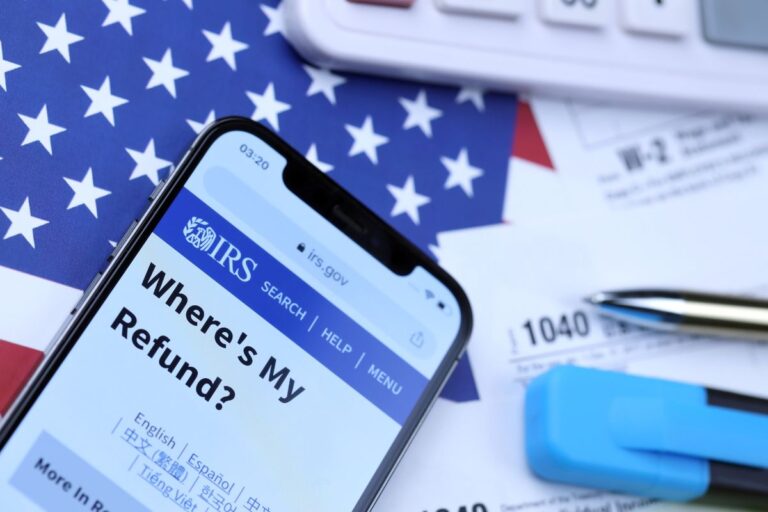
A looming funding fight comes as tax season ramps up, raising questions about how a shutdown might affect refunds and IRS services. Leaders at the IRS have indicated that refund checks will still be issued on time even if a shutdown occurs, and the agency plans to keep processing tax returns.
Still, a funding gap could limit customer support services at the IRS, like help lines or in-person assistance, because non-essential staff may not be paid until appropriations are restored.
What Happens Next
If Congress fails to pass all needed spending bills or a continuing resolution before the deadline, the government could again enter a partial shutdown for agencies without funding. Essential services, like benefit disbursements for Social Security, typically continue, but many administrative services and federal programs remain at risk of delay or reduction.
For millions of retirees, families on food assistance, and everyday taxpayers counting on refunds, the next few weeks in Washington will determine whether key financial lifelines are shielded from disruption.
More from The Tonic Edit:
- Millions Are Getting Inflation Refund Checks, But Only in Certain States
- Why Some Americans Could See Smaller Tax Refunds This Year, Even If Their Income Didn’t Change
- Warren Buffett Says Most Americans Wouldn’t Owe a ‘Dime’ in Federal Taxes If 800 Companies Paid Like Berkshire — Even Social Security