
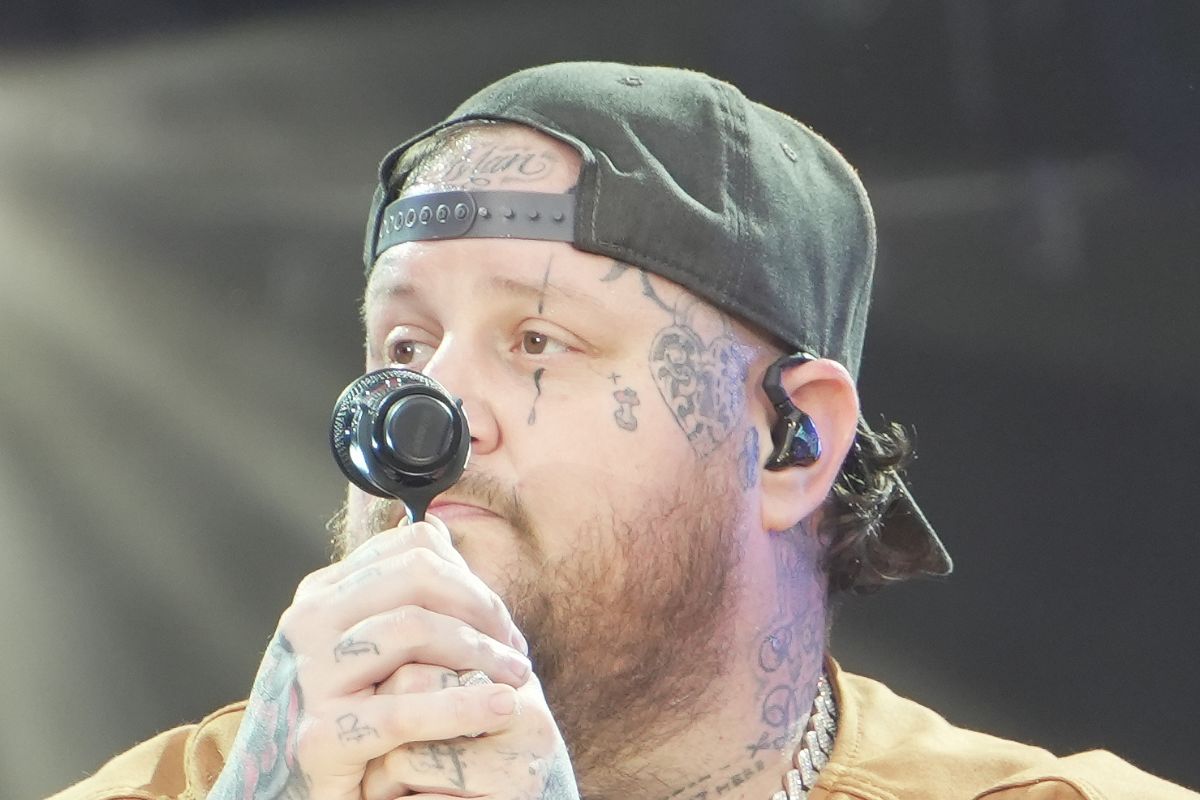
Jelly Roll Didn’t Lose Weight for Fame. He Did It to Stay Alive
Over the past year, Jelly Roll has been open about changes he’s making to his health, and the conversation around his weight loss has followed closely.
But unlike many celebrity transformations, Jelly Roll’s story hasn’t been framed around extremes, crash diets, or cosmetic fixes. Instead, he’s spoken candidly about sustainability, mental health, and rebuilding his relationship with his body after years of struggle.
Why Jelly Roll Decided to Focus on His Health
In multiple interviews, Jelly Roll has said his motivation wasn’t about appearance; it was about longevity.
As his career intensified, the physical demands of touring made it clear that his health needed attention. Long nights, travel, and years of unhealthy habits had taken a toll, and he acknowledged that continuing on the same path wasn’t realistic if he wanted to stay active on stage and present in his personal life.
Rather than chasing a specific number on the scale, he emphasized feeling better, moving better, and having the stamina required for the life he’s building.
What He’s Said About the Process
Jelly Roll has been clear that his progress hasn’t come from quick fixes.
He’s talked about:
- improving his diet gradually rather than restricting aggressively
- increasing movement in ways that felt manageable
- prioritizing consistency over perfection
- addressing mental health alongside physical health
That approach has resonated with fans precisely because it avoids the typical “before-and-after” narrative that dominates celebrity weight loss coverage.
Why His Story Resonates With So Many People
Part of what makes Jelly Roll’s journey stand out is how closely it mirrors the reality many people face.
Weight loss, especially later in life or after long-term health challenges, is rarely linear. Jelly Roll hasn’t presented himself as “finished” or transformed. Instead, he’s framed health as an ongoing commitment that changes alongside circumstances.
That honesty has helped shift the conversation away from aesthetics and toward something more sustainable: taking care of your body so it can support the life you want to live.
A Broader Cultural Shift
Jelly Roll’s openness comes at a time when public conversations around weight, health, and body image are evolving.
More public figures are rejecting extreme narratives and acknowledging that health isn’t one-size-fits-all. In that sense, his story isn’t just personal, it reflects a wider shift toward realism and self-compassion in how health journeys are discussed.
His message has been consistent: progress matters more than perfection, and showing up for yourself counts even when the results aren’t dramatic or immediate.