22 Million Older Americans Live Alone, Here’s Why Rising Costs Are Hitting Them Hardest
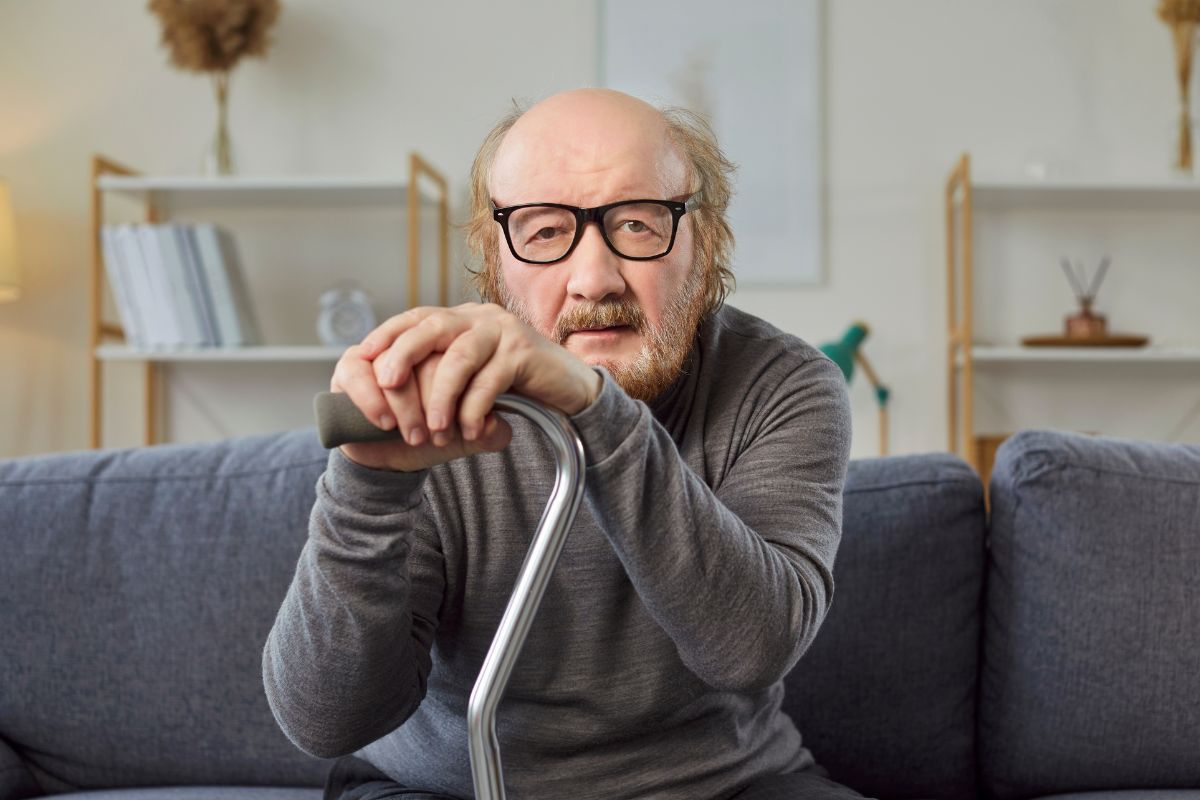
More than 22 million Americans aged 55 and older now live alone, according to recent Census Bureau data. A significant share of them have no children nearby, or at all, to rely on for financial help or caregiving.
As inflation pressures housing, groceries, insurance and medical costs, this group is feeling the squeeze in ways that don’t always show up in headline economic data.
Living Alone Means Paying Alone
When you live alone, there’s no one to split the mortgage, utilities or rising property taxes with. Even modest increases in food or healthcare costs hit harder because there’s no second income to absorb the shock.
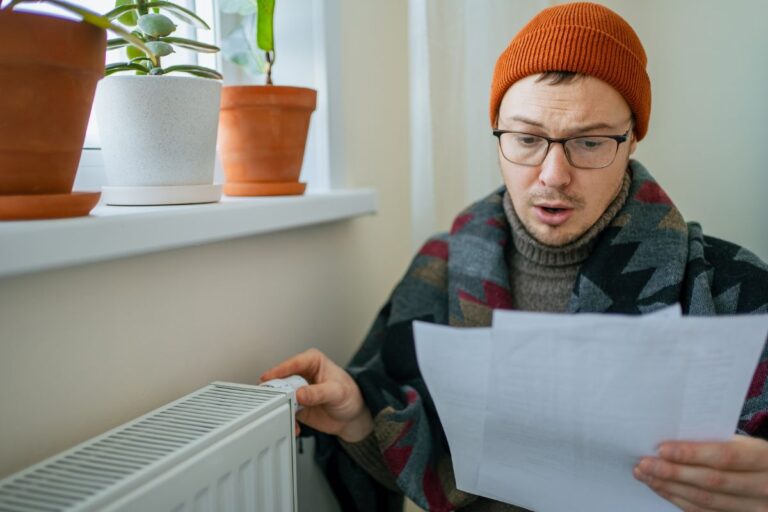
Recent data from the Bureau of Labor Statistics shows shelter, medical services and insurance remain elevated compared to pre-pandemic levels. For older Americans on fixed incomes, that can translate into difficult trade-offs.
Fixed Incomes, Rising Expenses
Many older adults rely heavily on Social Security. While benefits are adjusted for inflation annually, those cost-of-living adjustments don’t always fully match real-world increases in housing, insurance or out-of-pocket medical expenses.
For seniors living alone, a jump in rent, HOA fees, or prescription costs can immediately affect their monthly budget.
The Caregiving Gap
Beyond finances, living alone can also mean facing health challenges without nearby support. Hiring help for home care, transportation or household maintenance adds another layer of cost.
According to the U.S. Census Bureau, the number of older Americans living solo has steadily climbed over the past decade, a trend that could shape future debates around Social Security, healthcare and housing policy.
Why This Matters for the Broader Economy
When millions of older Americans tighten spending to cover essentials, it can ripple outward. Reduced discretionary spending affects local businesses, housing markets and service providers.
As the U.S. population continues aging, policymakers may face increasing pressure to address affordability issues for seniors living independently.
You Might Also Like: